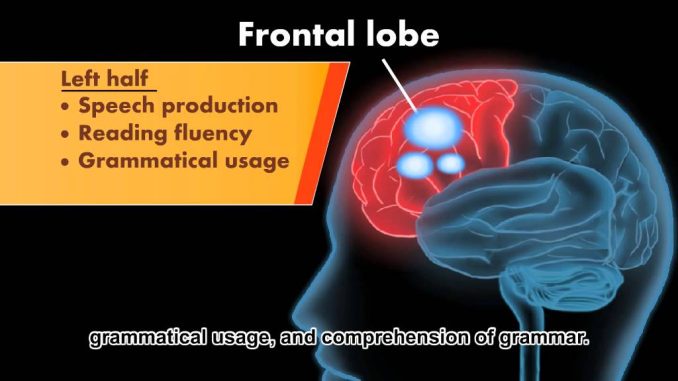
Reading is not just a passive activity; it is a dynamic process that engages multiple areas of the brain. Whether you’re reading for leisure, education, or professional purposes, the act of reading can significantly affect the brain, enhancing cognitive abilities, emotional intelligence, and even physical brain structure. But how exactly does reading change the brain?
In this article, we will explore the science behind reading and how it can lead to profound changes in brain function, memory, and emotional regulation.
1. Enhancing Brain Connectivity
When you read, your brain forms connections between neurons to process and understand the text. This happens across various regions of the brain, including those responsible for language, memory, and even emotional regulation. The more complex the material, the more connections are formed.
Research findings:
-
Studies have shown that reading literary fiction, for example, activates the default mode network (DMN), a group of regions involved in social cognition, such as understanding others’ emotions and thoughts. This network helps you engage with and empathize with characters, which can increase your capacity for empathy in real life.
-
As you read, your brain forms associations between new concepts and your existing knowledge. This neural plasticity—the brain’s ability to rewire itself—can improve your cognitive flexibility and adaptability.
2. Improving Vocabulary and Language Skills
One of the most immediate benefits of reading is the expansion of your vocabulary and language comprehension. When you encounter new words in context, your brain integrates them into your mental lexicon, which improves both understanding and communication skills.
How it works:
-
Reading exposes you to different sentence structures, styles of writing, and new terminology. Each encounter with a new word helps reinforce its meaning in context, making it easier to recall when needed.
-
This is especially true for reading complex literature, academic texts, or non-fiction, where advanced vocabulary and technical terms are often used. Over time, this continuous exposure improves reading comprehension and strengthens verbal reasoning abilities.
3. Boosting Memory and Focus
Reading is a mentally demanding task, and the more you read, the better your brain gets at retaining information and staying focused. This is particularly beneficial when it comes to memory retention.
Memory benefits:
-
When reading, especially in a narrative context, your brain must recall details from earlier in the text to understand the unfolding story. This reinforces memory pathways, enhancing both working memory (keeping information in your mind for short periods) and long-term memory (storing and retrieving information for the future).
-
Reading also strengthens sustained attention—the ability to focus on a task over extended periods of time. As you become more accustomed to staying engaged with a text, your capacity for focus improves in other areas of life.
4. Increasing Emotional Intelligence
Reading, especially fiction, can significantly enhance emotional intelligence (EQ), which is the ability to recognize, understand, and manage your emotions, as well as empathize with others.
The impact of fiction:
-
When you read fiction, you often delve deeply into the emotions, thoughts, and experiences of characters. This allows you to practice putting yourself in others’ shoes, which can improve your empathic skills.
-
Engaging with complex characters and narratives helps you better understand and regulate your own emotions. It also enables you to recognize and interpret the emotions of others more effectively, which is a crucial part of emotional intelligence.
5. Increasing Creativity and Imagination
Reading, particularly fiction or descriptive texts, can transport you into different worlds, eras, and realities. This stimulation of the imagination has powerful effects on the brain, enhancing creativity and problem-solving skills.
How creativity is nurtured:
-
The brain’s ability to visualize scenes, characters, and scenarios from written text promotes mental imagery—the creation of pictures in your mind. This practice of mental visualization is closely tied to creative thinking.
-
Exposure to diverse settings, ideas, and cultures through reading broadens your understanding of the world, sparking new ideas and perspectives that contribute to creative problem-solving.
6. Reducing Stress and Improving Mental Health
Beyond cognitive benefits, reading has profound psychological benefits. Reading can serve as an escape from the stresses of daily life, providing much-needed relaxation and emotional relief.
Psychological benefits:
-
Studies show that reading, particularly fiction or self-help books, can reduce stress levels significantly. A 2009 study published in Stress & Health found that just six minutes of reading can reduce stress by more than two-thirds.
-
Engaging with a compelling story or diving into a self-help book can help improve mood, reduce anxiety, and increase feelings of self-worth. Reading has even been shown to improve mental well-being, making it a valuable tool for combating symptoms of depression and anxiety.
7. Building a More Resilient Brain
Reading can literally make your brain more resilient. As we age, the brain’s volume and processing speed can decrease. However, engaging in mentally stimulating activities like reading helps slow down this decline, keeping the brain sharp and resilient.
Brain aging and resilience:
-
Regular reading has been linked to delayed onset of dementia and other cognitive disorders in older adults. This is likely due to the brain’s continued stimulation and development, even in later years.
-
The more frequently you engage in reading, especially challenging material, the more likely you are to maintain healthy brain function as you age.
Final Thoughts
Reading is more than just an enjoyable pastime—it is an activity that stimulates the brain in profound ways. From enhancing memory and language skills to fostering empathy and creativity, reading offers numerous cognitive and emotional benefits. By consistently reading, whether fiction or non-fiction, you can improve your brain’s overall health, adaptability, and resilience, keeping it sharp for years to come.