The concept of 3D printing, once confined to the realm of rapid prototyping and industrial manufacturing, has evolved dramatically over the past decade. What started as a tool for producing plastic models and machine parts has blossomed into a transformative technology with the potential to reshape industries ranging from aerospace to healthcare—and even the very food we eat. Today, 3D printing is no longer just about creating objects; it’s about reinventing the way we produce and consume, opening doors to innovations that seemed impossible only a few years ago. Among the most fascinating frontiers is the ability to 3D print everything from gourmet meals to human organs, a development that speaks to both the power and promise of this remarkable technology.
At its core, 3D printing—also known as additive manufacturing—involves layering material according to digital designs to create complex shapes and structures. This approach allows for unparalleled customization, reduced waste, and faster production cycles compared to traditional subtractive manufacturing. But beyond these well-known advantages, 3D printing is making waves because it challenges conventional assumptions about materials and applications. Instead of molding or carving, the printer builds up objects layer by layer, meaning it can handle intricate internal geometries and produce objects tailored precisely to individual needs.
Take the realm of food, for example. The idea of printing food may sound futuristic or even strange, but it is steadily becoming a practical reality. Chefs and food technologists are exploring how 3D printers can craft edible creations with precision and creativity beyond human hands. By extruding layers of pureed ingredients, these printers can produce complex shapes, textures, and flavors that would be difficult to replicate using conventional cooking techniques. Beyond novelty, this technology has serious implications for nutrition and sustainability. Customized meals could be designed to meet individual dietary requirements or preferences, ensuring optimal nutrient intake for people with special health needs. In addition, 3D-printed food could contribute to reducing food waste by using alternative or recycled ingredients, tapping into food sources like insect protein or algae that are often overlooked.
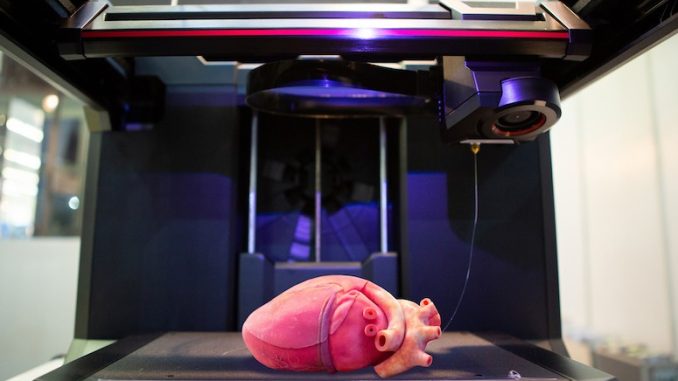
While the culinary applications of 3D printing excite many, the medical field arguably represents the most groundbreaking and impactful use case. Bioprinting—an extension of 3D printing that involves layering living cells to fabricate tissue-like structures—is making strides toward producing functional human organs. The potential here is enormous: organ shortages currently limit the availability of lifesaving transplants, and many patients wait years for a suitable donor. If bioprinting can successfully create organs that are compatible with patients’ immune systems, it could revolutionize transplant medicine. Researchers have already demonstrated the ability to print simple tissues, such as skin and cartilage, and are actively working on more complex organs like kidneys, livers, and hearts. Though still in early stages, this technology promises a future where organ failure may no longer be a death sentence but a treatable condition with lab-grown replacements.
The journey from printed prototypes to fully functional organs is fraught with challenges, however. Creating vascular networks that can sustain living tissues, ensuring cell viability during and after printing, and replicating the intricate architecture of organs remain significant scientific hurdles. Yet progress is steady, bolstered by advances in stem cell science, biomaterials, and 3D imaging techniques. Collaborations across disciplines—from engineers to biologists to clinicians—are accelerating innovation, turning what was once science fiction into clinical trials and potential therapies.
Beyond food and healthcare, 3D printing is transforming other sectors by enabling mass customization and local production. The aerospace industry uses it to produce lightweight components with complex internal geometries that reduce fuel consumption. In fashion, designers are creating bespoke jewelry and apparel with intricate patterns that push creative boundaries. The automotive sector benefits from rapid prototyping and on-demand parts manufacturing, reducing downtime and inventory costs. These examples underscore a broader shift toward decentralized manufacturing where production can occur closer to the consumer, reducing supply chain vulnerabilities and environmental impact.
Yet, the widespread adoption of 3D printing also brings important considerations. Intellectual property rights become more complex when digital designs replace physical goods. Regulatory frameworks must evolve to ensure the safety and efficacy of printed products, especially in healthcare and food industries. Ethical questions arise, particularly around bioprinting and the potential to create human tissues or organs. How societies address these challenges will shape the trajectory of 3D printing’s impact on our lives.
From an economic perspective, 3D printing presents both opportunities and risks. It can empower small businesses and entrepreneurs by lowering barriers to entry and enabling rapid innovation. At the same time, it may disrupt traditional manufacturing jobs and industries, requiring workforce adaptation and policy support. Training the next generation of engineers, designers, and technicians to harness 3D printing technologies will be essential to fully realize its benefits.
In conclusion, 3D printing is much more than a manufacturing tool; it is a catalyst for reimagining production, consumption, and even human health. As it advances from printing plastic prototypes to edible meals and living tissues, the technology challenges us to rethink what is possible. While hurdles remain, the trajectory is clear: 3D printing is carving a path toward a future where customization, sustainability, and innovation converge in unprecedented ways. Whether it’s printing a nutritious snack on demand or fabricating a replacement organ, this technology promises to reshape our world—and perhaps, redefine how we live.