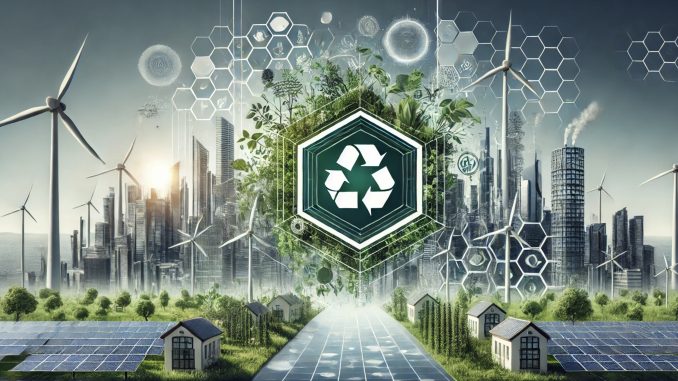
The escalating climate crisis has ignited an unprecedented wave of innovation, fostering a vibrant ecosystem of eco-friendly tech startups dedicated to pioneering solutions for a sustainable future. As we navigate 2025, the imperative to decarbonize industries, conserve resources, and mitigate environmental damage has never been clearer. This urgency has fueled a surge in venture capital flowing into what is broadly termed “greentech” or “climate tech,” transforming what were once niche concepts into mainstream business opportunities. These agile and inventive startups are not merely refining existing technologies; they are fundamentally rethinking how we produce energy, manage waste, build infrastructure, and interact with our planet, offering tangible hope for a more sustainable tomorrow.
One of the most dynamic sectors within eco-friendly tech is undoubtedly renewable energy and its intelligent management. While large-scale solar and wind farms continue to expand, innovative startups are focusing on making clean energy more accessible, efficient, and integrated into daily life. Companies like **Aurora Solar Inc.** (based in the U.S.) are not directly making panels but are revolutionizing the design and sales process for solar installations. Their software allows solar companies to remotely design and propose paneling systems, significantly streamlining the adoption of residential and commercial solar. This efficiency in planning and deployment is crucial for accelerating the transition away from fossil fuels. Elsewhere, startups are pushing the boundaries of energy storage, with companies like **Antora Energy, Inc.** focusing on thermal battery solutions that could provide long-duration, grid-scale energy storage, addressing the intermittency challenges of renewables. This kind of innovation is vital for ensuring a stable and reliable energy supply, even when the sun isn’t shining or the wind isn’t blowing.
The circular economy, a concept focused on minimizing waste and maximizing resource utility, is another fertile ground for eco-friendly tech startups. Waste management and recycling have long been complex and inefficient, but new technologies are changing the game. **AMP Robotics**, for instance, is deploying AI-powered robots to revolutionize waste sorting and recycling facilities. These advanced robotic systems can identify and pick out recyclable materials with far greater speed and accuracy than human sorters, significantly increasing recovery rates and reducing landfill waste. Similarly, startups like **Algenesis Materials** are tackling the pervasive problem of plastic pollution by developing fully biodegradable plastics made from renewable sources like algae, offering sustainable alternatives for everything from footwear to packaging. This kind of material innovation is critical for breaking our dependence on petrochemicals and closing the loop on material consumption.
Agriculture, a sector often seen as traditional, is also undergoing a green revolution thanks to tech startups. With global food security and sustainable land use becoming ever more pressing, innovations in agritech are crucial. Companies like **Pivot Bio** are developing microbial solutions that allow crops to produce their own nitrogen fertilizer, significantly reducing the environmental impact of synthetic fertilizers, which are major contributors to greenhouse gas emissions and water pollution. Others are leveraging AI and IoT for precision agriculture, as seen with companies like **CropX**, which uses IoT sensors and advanced soil analytics to provide precise irrigation recommendations, thereby conserving water and optimizing yields. These advancements are not just about efficiency; they are about fundamentally shifting farming practices to be more environmentally benign and resilient.
Beyond these core sectors, a diverse range of eco-friendly tech startups are emerging with solutions for measuring and managing environmental impact, a crucial step for businesses striving for sustainability. **Carbon Analytics Limited** offers a Software-as-a-Service (SaaS) platform to assess carbon emissions within companies’ supply chains, providing actionable data to drive reductions. This kind of transparency and analytical capability empowers businesses to understand and mitigate their environmental footprint more effectively. Similarly, **Clarity AI** provides AI-powered sustainability software that offers insights into the environmental, social, and governance (ESG) performance of companies, helping investors and businesses make more responsible decisions. These data-driven solutions are vital for corporate accountability and for accelerating sustainable business practices across industries.
While these startups bring immense promise, it’s important to acknowledge the inherent challenges they face. Securing sufficient funding, scaling operations, navigating complex regulatory landscapes, and fostering widespread adoption are significant hurdles. However, the increasing urgency of climate action, coupled with growing investor appetite for sustainable ventures and consumer demand for eco-friendly products, creates a fertile environment for these innovators. Governments, like Thailand’s National Innovation Agency (NIA), are also actively supporting local greentech startups, providing crucial gateways to international markets and fostering pilot environments for new technologies, as evidenced by Thai startups like Altotech.AI and VEKIN (Thailand) showcasing their solutions at global tech summits.
In conclusion, the landscape of eco-friendly tech startups in 2025 is a dynamic and inspiring one. From reinventing energy generation and storage to revolutionizing waste management and sustainable agriculture, these companies are at the forefront of the fight against climate change. Their ingenuity, agility, and commitment to creating practical, scalable solutions offer a compelling vision for a greener future. By watching and supporting these trailblazers, we contribute not only to their success but also to the collective effort to build a more sustainable and resilient planet for generations to come.