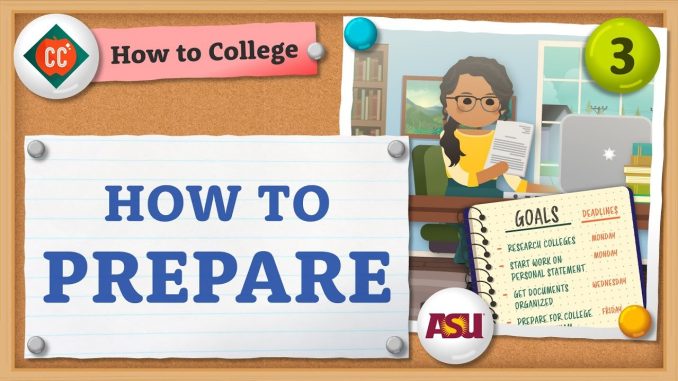
The journey toward college life is often painted as a thrilling progression, a significant milestone marking the cusp of adulthood and intellectual exploration. Yet, beneath the undeniable excitement lies a complex transition, demanding more than just packing bags and choosing dorm decor. Effective preparation for college extends far beyond the logistical and into the realms of academic readiness, financial literacy, emotional intelligence, and practical independence. Approaching this transformative period with foresight and deliberate action can significantly mitigate the initial shock, allowing incoming students to not just survive but truly flourish in their new academic and social environment.
One of the most critical facets of college preparation involves cultivating a robust academic mindset and strengthening fundamental study skills. High school often provides a more structured and guided learning experience, whereas college demands a higher degree of self-direction and critical thinking. Prospective students should dedicate time to honing their reading comprehension, analytical writing, and independent research abilities. This might involve revisiting challenging subjects, practicing active reading techniques, or seeking out opportunities for self-study. Familiarity with basic digital tools used in academia, such as word processors, presentation software, and online learning platforms, will also provide a significant advantage. The goal is not just to be smart, but to be a proactive and disciplined learner, ready to engage deeply with complex material and manage multiple academic demands simultaneously.
Financial preparedness is another cornerstone of a smooth transition. College comes with a myriad of costs beyond tuition, including housing, textbooks, personal expenses, and social activities. Before stepping onto campus, students should have a clear understanding of their financial situation, including scholarships, loans, and personal contributions. Developing basic budgeting skills is invaluable; learning to track income and expenses, distinguish between needs and wants, and make informed spending decisions can prevent unnecessary financial stress. Understanding how student loans work, the importance of credit scores, and even the basics of opening a bank account are practical skills that will serve them throughout their college years and beyond. Many universities offer financial literacy workshops or resources, and exploring these before arrival can provide a significant head start.
Beyond academics and finances, cultivating practical life skills is equally important for independent living. For many, college marks their first time living away from home, necessitating a sudden acquisition of everyday competencies. Learning basic cooking skills, even simple meals, can save money and promote healthier eating habits than relying solely on dining halls or takeout. Understanding how to do laundry, manage personal hygiene effectively, and even perform basic first aid are all small but significant steps towards self-sufficiency. Being able to navigate public transportation, manage a personal calendar, and responsibly handle personal documents (like IDs and insurance information) contribute to a feeling of control and competence in a new environment. These seemingly minor skills collectively build the confidence needed to handle the daily exigencies of independent life.
Emotional and social readiness also play a pivotal role in the college experience. The transition can bring feelings of excitement mixed with anxiety, homesickness, and pressure to fit in. Prospective students should acknowledge that these feelings are normal and almost universally experienced. Preparing mentally involves developing coping mechanisms for stress, understanding the importance of self-care, and being open to seeking support when needed. Researching the mental health services and counseling resources available on campus before arriving can empower students to access help if and when they need it. On the social front, practicing communication skills, cultivating an open mind towards diverse perspectives, and understanding the dynamics of communal living (especially in dorms) can ease the initial social adjustments. Being proactive in reaching out to new people, joining clubs, and participating in orientation events can help build a support network from day one.
Finally, embracing an attitude of flexibility and resilience is perhaps the most powerful form of preparation. College life is rarely a perfectly linear path. There will be academic challenges, social adjustments, moments of self-doubt, and unexpected detours. The ability to adapt to new situations, learn from mistakes, and bounce back from setbacks is crucial. This means letting go of perfectionism, being open to changing majors, and understanding that personal growth often happens outside of one’s comfort zone. Rather than viewing college as a fixed destination, it’s more accurately a dynamic journey of discovery and transformation. By proactively strengthening academic habits, building financial acumen, acquiring practical life skills, bolstering emotional resilience, and approaching the experience with an open mind, incoming college students can truly prepare themselves not just for the classes, but for the profound personal growth that awaits.