Understanding your customer is no longer a luxury—it’s a necessity. In a world where choices are abundant and attention is fleeting, businesses must go beyond selling products or services. They need to understand the full experience from the customer’s perspective. That’s where the customer journey map becomes invaluable. It’s not just a tool—it’s a lens. It allows businesses to see through the eyes of their customers, tracing every step from initial awareness to post-purchase engagement. When done well, it reveals not just what customers do, but how they feel, what they expect, and where they encounter friction.
The power of a customer journey map lies in its ability to humanize data. Instead of viewing customers as segments or metrics, it frames them as individuals navigating a path. That path is rarely linear. A potential buyer might discover a brand through social media, browse reviews on a third-party site, visit the company’s website, abandon their cart, and return days later via an email reminder. Each touchpoint carries emotional weight. Confusion, excitement, hesitation, and relief all play a role. Mapping this journey helps businesses identify not just what’s happening, but why it matters.
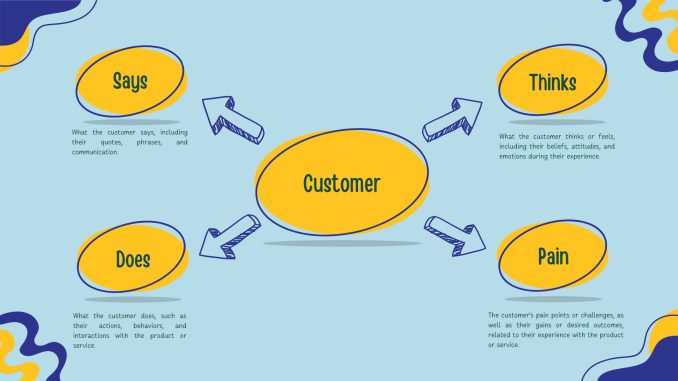
Seeing through the customer’s eyes requires empathy. It means stepping out of the boardroom and into the shoes of the person making decisions. What are they trying to solve? What barriers do they face? What delights them unexpectedly? A software company might assume that its onboarding process is intuitive, but a journey map could reveal that new users feel overwhelmed by jargon and unclear instructions. That insight isn’t just useful—it’s transformative. It shifts the focus from internal assumptions to external realities, guiding improvements that actually resonate.
The journey map also highlights the importance of consistency. Customers don’t experience a brand in silos. They move fluidly between channels—online and offline, mobile and desktop, automated and human. If the tone of a chatbot feels robotic while the email marketing is warm and friendly, that inconsistency creates dissonance. A journey map exposes these gaps, allowing businesses to align their messaging, tone, and experience across platforms. That alignment builds trust, and trust is the foundation of loyalty.
Beyond identifying pain points, journey mapping uncovers opportunities for delight. These are the moments that exceed expectations and create emotional connection. A retailer might discover that customers feel anxious about delivery times. By proactively sending updates and offering flexible options, the brand turns a potential stressor into a moment of reassurance. These small touches often have outsized impact. They show that the business understands and cares, which deepens engagement and encourages advocacy.
Internal collaboration is another benefit. Journey maps bring together teams from marketing, sales, product, and customer service, creating a shared understanding of the customer experience. Instead of working in isolation, departments can coordinate efforts to support the journey holistically. A marketing team might learn that certain promotions drive traffic but confuse users once they land on the site. By collaborating with UX designers and customer support, they can refine messaging and improve clarity. The result is a more seamless experience that reflects the customer’s needs, not just departmental goals.
Importantly, journey maps are not static. Customer behavior evolves, influenced by technology, culture, and context. What worked last year may feel outdated today. Businesses must revisit and refine their maps regularly, incorporating new insights and feedback. A travel company that relied heavily on desktop bookings might find that mobile usage has surged, requiring a redesign of its mobile interface. Staying attuned to these shifts ensures that the journey remains relevant and responsive.
Data plays a supporting role, but it must be interpreted with care. Metrics like bounce rates, conversion rates, and time on site provide clues, but they don’t tell the full story. Qualitative insights—interviews, surveys, and observational research—add depth. They reveal motivations, frustrations, and desires that numbers alone can’t capture. A customer might spend five minutes on a page, but was that time spent exploring or struggling? Journey mapping combines both types of data to create a richer, more accurate picture.
Ultimately, the customer journey map is a commitment. It’s a promise to see the experience not from the inside out, but from the outside in. It challenges businesses to listen more closely, act more thoughtfully, and design with empathy. When companies embrace this perspective, they don’t just improve processes—they build relationships. They move from transactions to trust, from assumptions to understanding, and from good intentions to meaningful impact. Seeing through the customer’s eyes isn’t just a strategy—it’s a shift in posture. And in that shift lies the potential for deeper connection, greater loyalty, and lasting success.