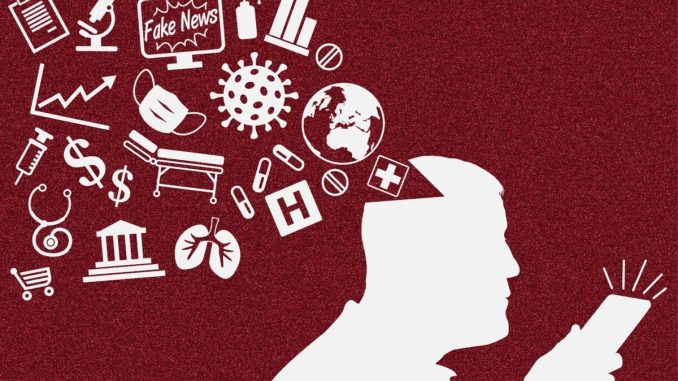
The internet has become the first stop for countless people seeking health advice, whether it is to understand a new symptom, explore diet options, or learn about fitness routines. While this accessibility offers enormous potential, it also comes with a significant risk: misinformation. Not all online health content is created equal, and the sheer volume of information available can make it difficult to separate credible guidance from misleading or even harmful claims. For professionals used to working with data, the challenge will feel familiar—when noise overwhelms the signal, sound decision-making depends on careful evaluation. Navigating health misinformation online requires the same critical thinking and strategic mindset that businesses use to assess markets, competitors, and opportunities.
One of the key difficulties with health misinformation is its sophistication. False or misleading content is rarely presented as such; instead, it often appears polished, backed by testimonials, or packaged with partial truths that give it a veneer of legitimacy. For example, a trending diet may cite one or two real studies while ignoring broader scientific consensus, creating the illusion of credibility. This mirrors how in business, selective use of data can paint a misleading picture of performance. Recognizing this tactic requires awareness that not all sources weigh evidence equally, and that authority is not determined by how convincing the presentation looks but by the rigor of the evidence behind it.
Another challenge is the role of algorithms in shaping what information people see. Online platforms are designed to promote content that engages emotions, and health misinformation often does exactly that. Dramatic headlines about miracle cures or alarming warnings spread faster than nuanced discussions about lifestyle balance or incremental change. For professionals, this is similar to how sensational market predictions can gain more traction than sober analysis. The result is an environment where attention-grabbing content can drown out reliable sources. Being mindful of this dynamic allows individuals to approach health information with a degree of skepticism, recognizing that popularity online is not synonymous with accuracy.
Trustworthy health information has certain hallmarks that, once recognized, make navigation easier. Reliable sources are typically transparent about their authorship, reference credible research, and avoid sweeping promises. By contrast, misinformation often relies on anecdotal evidence, personal testimonials, or claims of secret knowledge that mainstream experts supposedly ignore. This is much like evaluating a business partner: transparency, accountability, and a track record of integrity matter far more than flashy promises. When reading health content online, asking simple questions—who is behind this information, what evidence supports it, and what might they gain by promoting it—can provide clarity about whether the content is worth trusting.
Misinformation also thrives because it plays on people’s vulnerabilities. When individuals feel anxious about their health, they are more susceptible to quick fixes and dramatic solutions. A professional facing long hours and high stress might be drawn to supplements promising instant energy or diets guaranteeing rapid results, even if those claims lack evidence. This is no different from a business under pressure turning to untested strategies out of desperation. The key to resisting these temptations lies in pausing, stepping back, and remembering that sustainable progress is rarely instantaneous. Approaching health decisions with the same patience and strategic planning used in business reduces the likelihood of being misled by emotional appeals.
It is equally important to recognize the influence of social networks in amplifying misinformation. Friends, colleagues, or influencers may share articles or videos with good intentions, unaware that the content is flawed. Social proof—the idea that if many people believe something, it must be true—can create a false sense of security. In professional settings, this is akin to groupthink, where consensus is mistaken for accuracy. Developing the confidence to question information, even when it comes from trusted peers, is essential. This does not mean dismissing advice outright but being willing to verify it against reliable sources before accepting it as fact.
Professionals who navigate health misinformation successfully often adopt a mindset of continuous learning. Just as markets evolve and strategies must adapt, health science also advances with new discoveries. Being open to updates, while grounding decisions in established consensus, allows individuals to strike the right balance between curiosity and caution. For example, recommendations around nutrition or exercise may shift as new evidence emerges, but credible changes are typically incremental rather than radical. Understanding this pattern helps distinguish genuine scientific progress from the false urgency that often accompanies misinformation.
One practical way to strengthen defenses against misinformation is to build a shortlist of trusted sources. Reputable health organizations, peer-reviewed journals, and qualified medical professionals provide reliable guidance that can serve as a baseline against which other claims are measured. This approach mirrors the way businesses rely on key performance indicators to anchor their decision-making. Having a consistent reference point reduces confusion and minimizes the risk of being swayed by every new headline or viral claim.
Ultimately, navigating health misinformation online is about cultivating critical thinking and applying the same strategic judgment used in professional life. It requires awareness of how misinformation spreads, recognition of its common tactics, and the discipline to verify claims before acting on them. The internet can be a powerful tool for empowerment when used wisely, but it can also be a minefield of confusion when approached passively. By taking a proactive, thoughtful stance, individuals not only protect themselves from poor health decisions but also strengthen their ability to support others who may be struggling to discern truth from noise. In the same way that strong leaders guide teams through uncertainty with clarity and discernment, professionals who navigate health information with care can set an example of resilience and informed decision-making.
Would you like me to also prepare a condensed 400–500 word version of this article that could be shared as a practical wellness piece in newsletters or on LinkedIn?