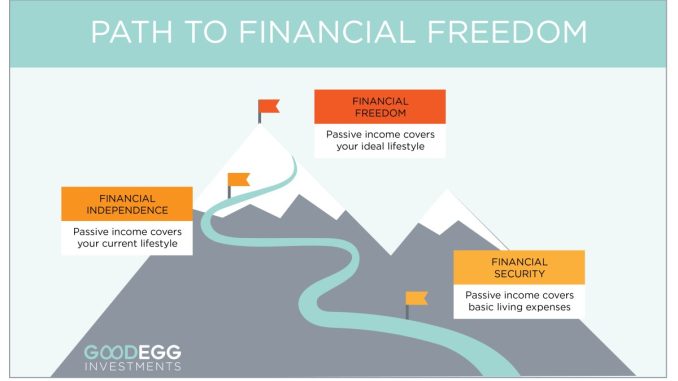
Financial independence is often portrayed as a distant milestone—something reserved for the wealthy, the retired, or the exceptionally disciplined. But in reality, it’s a concept that applies to anyone seeking control over their financial life. At its core, being financially independent means having enough resources to make decisions based on choice rather than necessity. It’s the ability to cover your living expenses without relying on external support, whether that’s a paycheck, a partner, or a government program. It’s not about being rich—it’s about being free.
This freedom manifests in many ways. For some, it means walking away from a job that no longer aligns with their values. For others, it’s the confidence to take a sabbatical, start a business, or support a loved one without financial strain. The common thread is autonomy. When you’re financially independent, money becomes a tool rather than a constraint. You’re able to design your life around what matters most to you, rather than constantly reacting to financial pressures. That shift—from reactive to proactive—is what makes financial independence so powerful.
Achieving this level of freedom doesn’t happen overnight. It’s built through consistent habits, thoughtful planning, and a clear understanding of your financial landscape. It starts with knowing your numbers—your income, expenses, assets, and liabilities. This clarity allows you to make informed decisions and identify opportunities for growth. For example, someone who tracks their spending might realize they’re allocating more to convenience than to long-term goals. That insight can lead to adjustments that accelerate progress without sacrificing quality of life.
Financial independence also requires a mindset shift. It’s not just about accumulating wealth—it’s about cultivating resilience and intentionality. That means living below your means, avoiding unnecessary debt, and prioritizing savings and investments. It means asking whether each financial decision supports your broader goals. For instance, choosing to drive a modest car or live in a smaller home might free up resources for travel, education, or early retirement. These choices aren’t about deprivation—they’re about alignment. When your spending reflects your values, every dollar feels more purposeful.
One of the most misunderstood aspects of financial independence is that it’s not a fixed destination. It’s a spectrum. Some people reach a point where their passive income covers all their expenses, allowing them to retire early or pursue passion projects full-time. Others achieve a level of independence that allows them to work part-time, take career risks, or weather economic downturns without panic. The goal isn’t to stop working—it’s to stop being dependent. That flexibility is what makes financial independence so appealing across different life stages and income levels.
The emotional benefits are just as significant. Financial independence reduces stress, increases confidence, and fosters a sense of control. It allows you to make decisions from a place of strength rather than fear. For example, someone who’s financially secure can negotiate a job offer more assertively, knowing they have options. They can say no to toxic environments, invest in their health, or take time off to recharge. These choices improve not just financial outcomes, but overall well-being.
Relationships also benefit from financial independence. When money is no longer a source of tension or dependency, communication improves and decisions become more collaborative. Couples can plan together without power imbalances, and individuals can support others without compromising their own stability. For instance, being able to help a friend in need or contribute to a cause you care about becomes a source of joy rather than stress. Financial independence creates space for generosity, connection, and shared purpose.
It’s important to note that the path to financial independence is not linear. Life happens—job changes, health issues, family responsibilities—and plans may need to adapt. But the principles remain the same: clarity, consistency, and intentionality. Building a financial cushion, diversifying income, and investing wisely are strategies that support independence regardless of external circumstances. For example, someone who loses a job but has six months of expenses saved can approach the transition with confidence and creativity, rather than desperation.
Technology and education play a supportive role in this journey. Budgeting apps, financial dashboards, and online resources make it easier to track progress and stay informed. Financial literacy empowers you to make better decisions, avoid common pitfalls, and advocate for yourself. For instance, understanding how compound interest works can motivate consistent investing, while knowing how to read a credit report can help you maintain a strong financial foundation. These tools don’t replace discipline—they enhance it.
Ultimately, being financially independent means living life on your terms. It’s about having the freedom to choose, the confidence to act, and the security to adapt. It’s not reserved for the elite—it’s accessible to anyone willing to engage with their finances intentionally. And while the journey may require effort and patience, the reward is profound. Because when you’re financially independent, you’re not just surviving—you’re thriving. You’re building a life that reflects your values, supports your goals, and empowers you to be your fullest self.