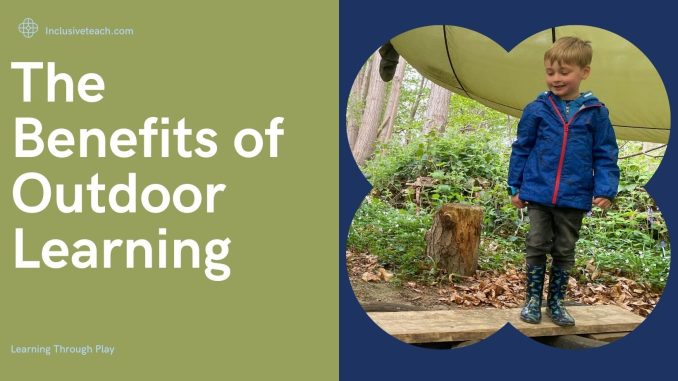
Outdoor classroom experiences offer a refreshing departure from the traditional four-walled learning environment, inviting students and educators alike to engage with education in a more dynamic and immersive way. While the concept may evoke images of nature walks and field trips, its implications reach far deeper. When learning is moved outdoors, it transforms not only the setting but the mindset. It encourages curiosity, fosters resilience, and cultivates a sense of connection that’s often missing in conventional classrooms. For businesses and educators interested in developing more adaptive, innovative thinkers, the value of outdoor learning is worth serious consideration.
One of the most immediate benefits of outdoor classroom experiences is the shift in sensory engagement. Indoors, students are often limited to visual and auditory stimuli, but outside, the environment becomes a living textbook. The rustle of leaves, the texture of soil, the changing light—all these elements stimulate awareness and presence. This heightened sensory input can enhance memory retention and deepen understanding. For example, a biology lesson taught in a garden allows students to observe plant life cycles firsthand, making abstract concepts tangible. The learning becomes experiential, and that experience often leaves a lasting impression.
Beyond sensory stimulation, outdoor learning promotes physical movement, which is closely tied to cognitive function. Numerous studies have shown that physical activity boosts brain health, improving focus, mood, and problem-solving abilities. When students are allowed to move freely, stretch, and explore, they’re not just burning energy—they’re activating neural pathways that support learning. This is particularly valuable in business education, where strategic thinking and adaptability are key. Imagine a leadership workshop held in a forest clearing, where participants navigate team challenges using natural obstacles. The physicality of the experience reinforces lessons in collaboration, decision-making, and resilience in ways that a boardroom simply cannot replicate.
Outdoor classrooms also encourage a different kind of social interaction. The informal setting tends to flatten hierarchies, making it easier for students to speak up, share ideas, and collaborate. Teachers become facilitators rather than lecturers, and students often take on more active roles in their learning. This shift can be especially powerful in professional development contexts, where peer learning and open dialogue are essential. A marketing team brainstorming campaign ideas around a campfire may find that the relaxed atmosphere sparks more creativity than a sterile conference room. The change in setting alters the dynamics, allowing new voices to emerge and fresh perspectives to surface.
Another compelling advantage is the way outdoor learning nurtures emotional well-being. Nature has a calming effect, reducing stress and anxiety while promoting mindfulness and emotional regulation. In a world where burnout and mental fatigue are increasingly common, especially in high-pressure business environments, the restorative power of nature cannot be overstated. When students or professionals spend time learning outdoors, they often report feeling more grounded, more focused, and more connected to their work. This emotional clarity can translate into better performance, stronger relationships, and a more sustainable approach to growth.
Outdoor classroom experiences also foster environmental awareness and stewardship. When learners engage directly with natural settings, they develop a deeper appreciation for the ecosystems around them. This awareness can influence behavior, encouraging more sustainable choices in both personal and professional contexts. For businesses, this is particularly relevant as environmental responsibility becomes a core component of brand identity and corporate strategy. Employees who have experienced outdoor learning may be more inclined to support green initiatives, advocate for responsible sourcing, or contribute to sustainability goals with genuine commitment.
The flexibility of outdoor learning is another asset. It allows for interdisciplinary approaches, blending science, art, history, and even business into cohesive, real-world experiences. A lesson on supply chains might begin with a hike through a forest, examining the raw materials used in manufacturing, and end with a discussion on ethical sourcing and global logistics. This kind of integrative learning mirrors the complexity of real-world challenges, preparing students to think holistically and act strategically. It’s a model that aligns well with the demands of modern business, where siloed thinking often leads to missed opportunities.
Of course, implementing outdoor classroom experiences requires thoughtful planning. Safety, accessibility, and curriculum alignment must be considered. But the effort is well worth it. Schools and organizations that invest in outdoor learning often find that the benefits extend far beyond academic outcomes. They see increased engagement, improved morale, and a stronger sense of community. These are qualities that any business would be wise to cultivate, especially in an era where innovation and adaptability are paramount.
Ultimately, the power of outdoor classroom experiences lies in their ability to reconnect learning with life. They remind us that education is not confined to desks and screens—it’s a living process that thrives in fresh air, open spaces, and shared exploration. For businesses seeking to develop leaders who are curious, resilient, and emotionally intelligent, embracing outdoor learning is not just a pedagogical choice—it’s a strategic one. It opens the door to deeper understanding, richer relationships, and a more vibrant approach to growth. And in doing so, it transforms not just how we learn, but how we lead.