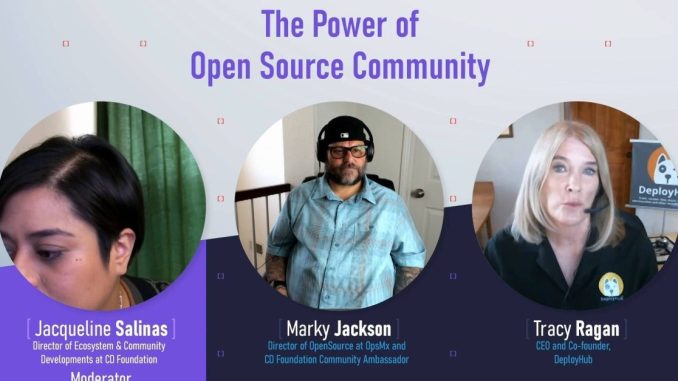
Open source communities have become one of the most influential forces in the technology landscape, reshaping how software is built, shared, and evolved. At their core, these communities are driven by collaboration, transparency, and a shared commitment to solving problems through collective effort. What makes them powerful is not just the code they produce, but the culture they foster—one that values openness, inclusivity, and continuous learning. For businesses, developers, and technologists alike, engaging with open source communities offers a unique opportunity to accelerate innovation, reduce costs, and build more resilient solutions.
The strength of open source communities lies in their diversity. Contributors come from different backgrounds, industries, and geographies, bringing a wide range of perspectives and expertise. This diversity fuels creativity and leads to more robust, adaptable software. When a developer in Berlin collaborates with a systems architect in Nairobi and a data scientist in São Paulo, the resulting solution often reflects a broader understanding of user needs and technical challenges. This global collaboration is difficult to replicate in traditional corporate environments, where development is often siloed and constrained by internal priorities.
One of the most compelling aspects of open source is its ability to democratize access to technology. By making source code freely available, open source projects lower the barrier to entry for individuals and organizations that might not have the resources to invest in proprietary software. A startup can build its infrastructure using open source tools, customizing them to fit its needs without incurring licensing fees. A university can teach students using real-world software that’s actively maintained and improved by a global community. This accessibility fosters innovation and levels the playing field, allowing talent to flourish regardless of geography or budget.
Open source communities also serve as powerful engines for professional development. Developers who contribute to open source projects gain hands-on experience with cutting-edge technologies, improve their coding skills, and build reputations within the industry. These contributions are often visible to potential employers, making open source a valuable platform for career growth. More importantly, the collaborative nature of these communities encourages mentorship and knowledge sharing. A junior developer can learn from seasoned contributors, receive feedback on their work, and gradually take on more complex responsibilities. This organic learning environment is one of the most enriching aspects of open source participation.
From a business perspective, engaging with open source communities can yield significant strategic advantages. Companies that contribute to and support open source projects often benefit from faster development cycles, improved software quality, and stronger security. Bugs are identified and resolved more quickly, features are added based on real-world feedback, and vulnerabilities are addressed transparently. Moreover, by aligning with open source initiatives, businesses can influence the direction of key technologies, ensuring that they evolve in ways that support their goals. This kind of influence is far more collaborative than traditional vendor relationships, fostering mutual benefit rather than dependency.
The ethos of open source also promotes a culture of accountability and trust. Because the code is publicly available, anyone can inspect it, test it, and suggest improvements. This transparency reduces the risk of hidden flaws or malicious behavior and encourages developers to write clean, maintainable code. It also builds trust among users, who can verify that the software does what it claims to do. In an era where digital trust is paramount, open source offers a compelling model for building and maintaining credibility.
Community governance is another area where open source shines. Many successful projects are guided by clear principles and inclusive decision-making processes. Contributors have a voice in shaping the roadmap, resolving conflicts, and setting standards. This participatory model fosters a sense of ownership and commitment, encouraging long-term engagement and stewardship. It also helps ensure that the software remains aligned with user needs, rather than drifting toward the interests of a single stakeholder. For businesses, understanding and respecting these governance structures is key to building productive relationships with open source communities.
The impact of open source communities extends beyond software development. They influence standards, drive interoperability, and shape the future of technology itself. Projects like Kubernetes, Linux, and TensorFlow have become foundational to modern computing, thanks to the collective efforts of their communities. These technologies power everything from cloud infrastructure to machine learning applications, demonstrating the scalability and resilience of the open source model. As more industries embrace digital transformation, the role of open source communities will only grow, offering a blueprint for collaborative innovation across sectors.
Ultimately, the power of open source communities lies in their ability to unite people around shared goals and values. They prove that when individuals come together with a spirit of openness and generosity, they can build tools that are not only technically excellent but also socially impactful. For businesses, developers, and users, engaging with these communities is more than a tactical choice—it’s a strategic investment in a more inclusive, agile, and trustworthy digital future. As technology continues to evolve, open source communities will remain at the forefront, driving progress through collaboration and shared purpose.