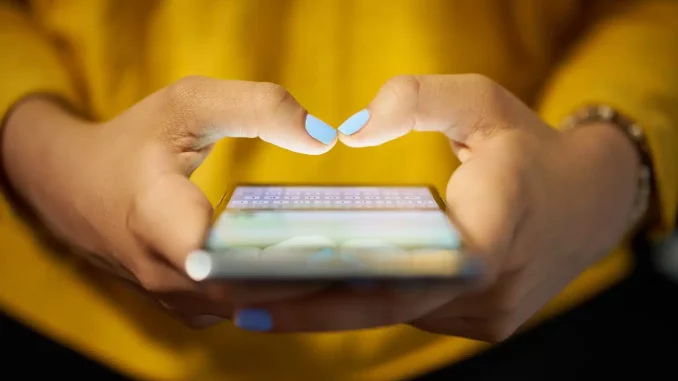
Social media is a tool that most people today use to connect with others and acquire information. But the topic of how it might affect mental health has gradually attracted more attention as time went by.Will the amount of screen time we spend–particularly on social media–affect our health? That is a question on everyone’s minds nowadays.
The Double-edged Sword of Social Media
Either social media is a good place to keep in touch with friends and family, network or serve the community. Nevertheless, it also comes with problems: getting addicted to it; making life seem unreal through posts; or overt cyberbullying. Some Advantages of Instagram, TikTok, and Twitter On the one hand, these platforms can foster a sense of belonging and full mutual help; one may find solace in speaking to those who share the same opinions as oneself or ask for advice on some question of common interest in a group of likeminded people. On the other hand, if everyone else is living life this way and you are the sole exception, not being happy seems par for course. Rather, many people striving for success become disheartened under such circumstances; they squeeze sources of happiness out themselves–ones that could have been easily attained. Now they become empty pipelines.
Understanding Screen Time and Mental Health
The relationship between screen time and mental health is more complicated than we might think. It depends on a number of factors– how the technology is used, what kind of content people consume, and individual susceptibility. Key points to remember include: Active Use vs Passive Use
It has been shown that passive scrolling, or the kind of endless content consumption without interaction, is associated with negative emotional states such as envy and loneliness. In contrast, active engagement–commenting, messaging, creating your own content–can encourage positive exchanges and a sense of meaningful escape.
Quality Time Spent Studies show we should do gays better on social media for more quality time. Research suggests that getting e-mail off your back, climbing cybermountains without bashing other climbers over the head — these are things that make people feel good.
Sleep disturbances In addition to its influence on circadian rhythms, such as when the sun goes down and rises again (which can affect us deeply), social media also has repercussions for physical health in subtle ways we often don’t realize.
The fear of missing out, or FOMO for short, causes people to feel left behind or not participating fully in a social event (e.g., by not getting invited to go). This kind of feeling grows even in an unsettling way when all one hears about are vibing posts that show up on social media. It is likely to breed a sense of loneliness and in addition dent one’s self-respect enormously if permitted to get out of control.
Vulnerable groups There are certain types of people who may be more susceptible to the negative influences of social media than others:
Young People: As those most in need of role models, who will they have? Kids today are comparing their burgeoning identities with those picture-perfect bodies and feeling that, compared these photographs, their real worth is paltry. In the end it turns out to be frustration rather than pleasure.
The Mentally Ill: For people already suffering from anxiety or depression, meeting with disasters online is a source of triggers to relapse.
To combine its advantages with some of those pluses, you could try the following tips on private time online:
Avoid Being “On” 24/7
Don’t overuse the screen (try a screen limit); create periods during which you keep it switched off, e.g., no gadgets at meal times or before bed.
Filter
Unfollow negative accounts, follow positive accounts.
Pay Attention
Use social media for a while, and then don’t let it invade the rest of your day. Take your consciousness off line or out of gear with some regereration time. Put strong mental effort into practice upon oneself — time limitation is not a factor.
Face to Face Connect: A Higher Level of Communication
The effects of interactions face to face are in a different realm from those seen on a computer screen.
Conclusion
If used right by people, then most of what social media does for us will be to improve our mental health and save time… Time spent on the Internet, especially at night; or being engrossed in technology devices 24 hours a day is not good for your mind. Cut down time you are online, and develop contact with people through talking face to instead of just discussing issues that are not in the flesh. The impact of social media and screens on mental health has many intricate aspects, depending on how one uses these platforms. By making conscious choice to avoid taboos or draw boundary lines, and setting up warm and intimate relationships, we can turn a social-media network into a tool of communication that does not harm our minds or our bodies.