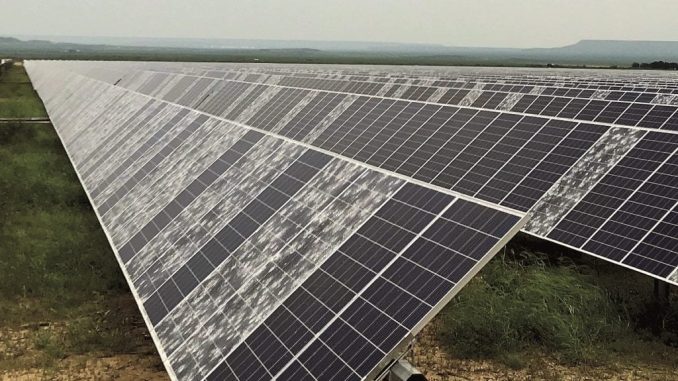
The global shift towards renewable energy has accelerated in recent years as countries strive to reduce carbon emissions and combat climate change. While renewable energy projects, such as solar farms, wind farms, and hydroelectric power plants, are environmentally beneficial, they also come with significant financial risks. Insurance for renewable energy projects is becoming increasingly vital to protect investments, manage operational risks, and ensure long-term sustainability.
This article explores why insurance is crucial for renewable energy projects, the types of coverage available, the risks involved, and how the industry is evolving to meet the growing demand.
Investing in renewable energy requires substantial capital, and projects often span several decades. Natural disasters, equipment failures, regulatory changes, and financial uncertainties can impact profitability. Insurance serves as a safety net, providing financial protection against unexpected losses and ensuring project viability.
Some key reasons why insurance is essential for renewable energy projects include:
- Risk Mitigation – Renewable energy projects face risks such as extreme weather events, equipment malfunctions, and cyberattacks. Insurance helps minimize financial losses.
- Financial Stability – Investors and lenders often require insurance as a prerequisite for funding, ensuring project sustainability.
- Regulatory Compliance – Many governments mandate insurance coverage for large-scale renewable projects to protect public and environmental interests.
- Operational Continuity – Insurance helps companies recover quickly from disruptions, reducing downtime and maintaining energy production.
There are several types of insurance policies tailored for renewable energy businesses. The most common include:
1. Construction & Erection Insurance
- Covers damage to equipment, materials, and construction sites during installation.
- Protects against unforeseen accidents, including fires, floods, and theft.
- Ensures contractors and investors are protected from financial setbacks during project development.
2. Property Insurance
- Covers physical damage to solar panels, wind turbines, and hydroelectric infrastructure.
- Provides protection against risks such as fires, storms, earthquakes, and vandalism.
3. Business Interruption Insurance
- Compensates for lost income due to equipment failure, natural disasters, or unexpected downtime.
- Helps maintain financial stability by covering operational costs during recovery periods.
4. Liability Insurance
- Protects against third-party claims for bodily injury or property damage caused by renewable energy operations.
- Covers legal fees and compensation in case of lawsuits.
5. Cyber Insurance
- Protects against cyber threats, such as hacking, ransomware attacks, and data breaches.
- Essential for smart grids and IoT-connected renewable energy systems.
6. Environmental & Pollution Liability Insurance
- Covers costs related to environmental damage, including soil contamination and water pollution.
- Helps companies comply with environmental regulations and avoid hefty fines.
7. Performance Warranty Insurance
- Ensures compensation if solar panels, wind turbines, or batteries underperform or fail before the warranty period ends.
- Protects investors from financial losses due to lower-than-expected energy production.
Despite their environmental benefits, renewable energy projects are exposed to various risks that can impact profitability and sustainability.
1. Weather-Related Risks
- Hurricanes, hailstorms, wildfires, and extreme temperatures can damage solar panels and wind turbines.
- Droughts can reduce hydroelectric power generation.
2. Equipment Failure & Maintenance Costs
- Wind turbines require regular maintenance to avoid mechanical breakdowns.
- Solar panels can degrade over time, leading to efficiency losses.
3. Regulatory & Political Risks
- Changes in government policies, subsidies, and tax incentives can impact profitability.
- Legal disputes over land use and permits may delay projects.
4. Cybersecurity Threats
- Smart grids and automated energy systems are vulnerable to cyberattacks that can disrupt operations.
- Hackers can manipulate energy distribution, causing financial losses.
5. Market & Financial Risks
- Fluctuations in energy prices can affect revenue generation.
- Delays in project financing or investor pullouts can halt progress.
The Role of Insurance in Enhancing Investor Confidence
Investors and financial institutions are increasingly focusing on sustainability and risk mitigation when funding renewable energy projects. Having robust insurance coverage enhances investor confidence by:
- Reducing investment risks – Comprehensive insurance protects against unforeseen events, ensuring financial security.
- Attracting more investors – Insurance-backed projects are more attractive to venture capitalists and institutional investors.
- Securing project loans – Banks and lenders require insurance coverage to approve loans for renewable energy developments.
- Facilitating long-term planning – Insured projects can plan for the future with greater certainty, knowing risks are covered.
As the renewable energy sector grows, the insurance industry is evolving to provide better coverage and customized solutions. Some emerging trends include:
- Parametric Insurance – Uses real-time weather data and predefined conditions to trigger automatic payouts in case of extreme weather events.
- Blockchain & Smart Contracts – Improves transparency and efficiency in insurance claims processing.
- AI & Big Data Analytics – Helps insurers assess risks more accurately and offer better pricing models.
- Green Insurance Policies – Encourages sustainability by offering lower premiums for eco-friendly practices and risk mitigation efforts.
- Battery Storage Coverage – With increasing reliance on energy storage solutions, insurers are developing policies specifically for battery storage systems.
The Future of Renewable Energy Insurance
As renewable energy becomes the dominant source of global power, insurance will play a crucial role in ensuring stability and growth. Future developments may include:
- More affordable premiums due to improved risk assessment models.
- Wider adoption of AI-driven underwriting to enhance efficiency.
- Global insurance standards for renewable projects to streamline policies across different countries.
- Expansion of insurance offerings to cover emerging renewable technologies such as floating solar farms and offshore wind projects.
The growing importance of insurance for renewable energy projects cannot be overstated. As the sector continues to expand, comprehensive insurance coverage is essential for protecting investments, mitigating risks, and ensuring the long-term success of clean energy initiatives. By securing the right insurance policies, renewable energy developers can navigate uncertainties, enhance investor confidence, and contribute to a more sustainable future.
With innovations in renewable energy insurance, the industry is adapting to the evolving landscape, providing better protection and financial security. As more countries and businesses transition to clean energy, the role of insurance will only become more critical in shaping the future of global energy markets.