Introduction
It’s commonly recognized that many people no longer tell their stories through books or newspapers, the web has become the only acceptable way to express what they mean. But actually it is somewhat out-of-date. In 2005 for example, two British journalists who used BlackBerry phones to gather material were thrown in jail by the US’s central government for leaking official secrets. I think they will live outside England when they get out of prison.
These days everybody is on social media.
But my question to you is this: why do not the social media make the face of education itself part social? Most of it is an extension learning behind closed doors and hard work into which the web cannot sneak.
A structure exists to clear this kind of patronage now beginning in cultural questions and events more than anything else. No one either place or country enjoys a monopoly perfectly; so it would not be necessary for people to go only one place in order get their achievements accepted. Nations are only administratively divided since the 13th century when they centered around cities in what is now Italy and Germany; the twentieth saw social divisions grow purely artificially among places that had none before.
Social media is everywhere. Whether you agree with them or not, they are an important factor that reflects majority judgment. Not only do teenagers and adults use social media, but they enjoy it as well. Platforms for posting humor like The Simpsons’s most popular tweets Or Dragon Ball episodes on Facebook – both of these show an underlying familiarity that is alien to straight news journalism as it speaks strongly to individual tastes.
Some twenty years ago, websites including Instagram, Tik Tok and Snapchat had not yet existed but today are considered just as much part of the Chinese internet culture (if not more so, sometimes) as Grass-Mud Horse Youth. And with People’s Daily reporters candidly interviewing young seahorses, one must propose photojournalists as photojournalists start their careers at new media enterprises.
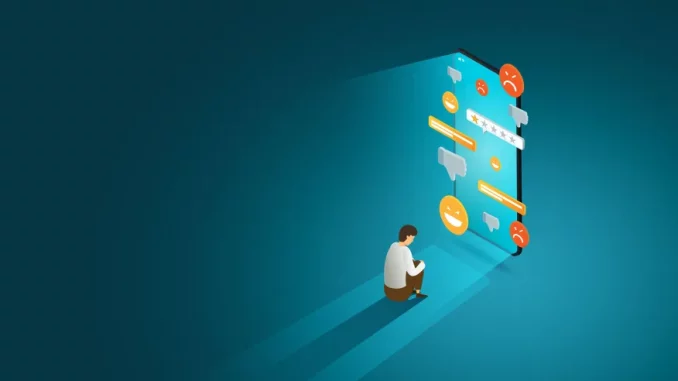
While social media is now everywhere, there are concerns about its structural impact on mental wellbeing. This article explores how social media influences the amused animal brain of a teenager, both good and bad points.
Two sides of discussions on social media
Positive
Social media has many positive effects on a youth’s brain. For example, it provides somewhere in their hearts to express themselves–with various bodies of youngsters as well finding their own homes online today and someplace that they can let you know just who they really are. Moreover, online mental health awareness campaigns and professional support groups will at least give you what you do not have now but long so much for, thereby decreasing the loneliness that would otherwise exist within people. Yet social media why not help not to know is good as being ignorant will not be its own punishment anyway. Many young people use these platforms, for instance, in order To learn tormeditate To recutte Methods of relieving pressure. Such readily available information might enable individuals to take mental health measures themselves and get help as soon as they need it.
Bad Aspects
However, despite these benefits, social media can have a negative impact on children’s mental and physical health. Constant comparisons with peers–images carefully crafted for impact combined with sensational accounts conveying blow-by-blow details–extort an otherwise simple and straightforward lifestyle. These impressions of dishonor (abrasive indentations on the old brain) turn into jealousy, low self-esteem and eating disorders. This pursuit after an online reputation of perfection only aggravates these feelings of frustration even more. That is a vicious circle.
Cyber bullying is a bigger problem still. Social media is irresponsible in that it affords bullies anonymity; they can find their victims on line and then just blast them hog-wild. People so targeted endure massive emotional distress; often this sticks in the form of aggravating an original disease. Adult victims of internet bullying, in today’s world, tend to be far more plagued with anxiety than those subjected to other types of abuse. However, even some harbor suicidal intentions.
Even worse, because social media lacks any limits on time spent, it starts to disrupt sleep patterns–which at worst means lowering students’ grades by encouraging them to stay up all night and preventing normal social activities that occur the next day. It can make adolescents keep too long on a website or blog one day how they feel, detached from all natural interaction of people around them.
The Function of Parents and Educators
Parents and educators have an important responsibility for alleviating the negative effects of social media on teen mental health. It is important that the communication channels remain open. Encouraging young people to talk about their online experiences may turn up problems in good time. In addition, parents ought to educate their children to both lead healthy lives both in reality and in virtual worlds. They should set appropriate boundaries for using social media and explain balance between the two.
In this way, schools can actually help to reduce the time that kids are exposed to social networks; they can also use class time to teach students about online literacy, show students the possible risks of going on the internet and how they can safely surf for things. Mental-health resources should be widely available; schools should create an environment where students feel comfortable asking for help.
Strategies for Adolescents
Adolescents themselves need to take some positive measures to protect their mental health when using social media. They can start by bringing a little mindfulness to bear, making themselves aware of just how down their feelings get when social media itself makes them feel that they should be like other people. And also, putting a time limit on use of social media will prevent you from overeating any of the stuff there and in addition reduce your access to any stuff that is bad.
Just as importantly, teenagers need to be picky about their social media diet, selectively following accounts that favor wellness and positive thinking. Doing some things off the internet–whether sports, music or chat on the phone–can help counteract those hours spent online and thereby generalize relaxation better as well. It is thought that the many other good effects of this activity in total as a whole have an impact on well-being.
Wrapping up
While social media provides adolescents with many opportunities to stay in touch and self-actualize, it also has a detrimental effect on their mental wellbeing. Understanding these risks and taking any preventive measures within your power are the cornerstones of ensuring that social media keeps to the good effects it has on young people. Parents, educators, teens must work together to help one another out of our digital world that even most adults do not understand fully. (We mean “affects mental health” by contrast, not “nice way to say thank you to those who help us.”) With greater communication between parent and child, commerce schools all over the country have to include course teaching media literacy too, and the choice of a healthy lifestyle in every field possible, parents can transform their kids into deep young teenagers educated media users.