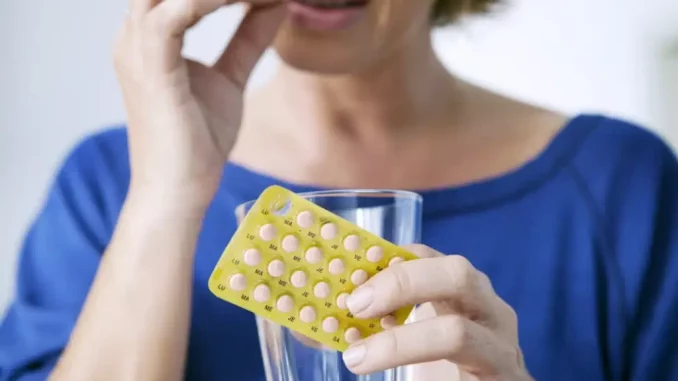
A woman’s life has the demarcation, this life’s important stage-the stoppage of menstruation. This may be a physically uncomfortable period for many to go through postmenopause: hot flushes and night sweats, mood swings that seem almost to come up at random moments–and if these symptoms are deeply ingrained, vaginal dryness. These are all symptoms of undeveloped and maturing postmenopause. Relatively hormone replacement therapy is a well-divided option for treating these symptoms. It the matter is littered with dispute, and a lot of people say:
This question may be answered differently for each woman, due to the nature of her bodily health and how severe her ailments are. What is Hormone Replacement Therapy? It involves using two types of hormones to counteract the body’s natural decline in such hormone levels that it becomes menopause. Hormone replacement therapy is of two kinds:
Estrogen HRT is the earliest form of hormone replacement therapy. Combined HRT (Estrogen and Progesterone) generally is the type recommended for women who haven’t had a hysterectomy. It can also said ith i to be expected the case for another year or two up to this point, but after that we can consider things in detail.
HRT can be delivered in several different forms: tablets, patches, creams and gels traditionally are among the favourites. This offers women the option of a form which suits them personally, and it is functioning. In the Pros:HRT Such observations have led many women to begin HRT with an urgent desire to restore a normal life free from the ravages of menopause off them as its first fruits. Some of the advantages to that approach include:
Relief from Hot Flashes and Night Sweats: These two happenings form the primary symptoms associated with menopause. HRT has also been found to be effective in reducing both the extent and frequency of these episodes by a significant amount, so that women can live a more comfortable life.
Bone Health: Estrogen is necessary to maintain the bone density. But once women reach menopause, estrogen levels go down rapidly until they’ve all but disappeared. As people grow older, osteoporosis becomes increasingly likely. Even so, the risk is reduced by HRT and later life fractures are less likely in people on this treatment
Stable Mood and Active Brain: During menopause, when hormone levels are higher or lower than usual, mood swings, anxiety, depression, and memory loss may ensue from several causes. HRT may help bring about mood stability and even mental improvement as some studies suggest. But on this point there is open question in evidence.
Vaginal Health: After menopause some female suffers is vaginal dryness discomfort on intercourse, and a higher incidence of urinary infections. A localized estrogen therapy (e.g., vaginal cream) can directly relieve these symptoms without affecting the rest of your body.
Menopausal Hormone Therapy: RisksHRT, despite its very real benefits, is not without risk and these must be carefully weighed before prescribing.
Increased Risk of Breast Cancer: Perhaps the greatest worry with long-term combined HRT is an increased breast cancer risk. Research, including the Women’s Health Initiative (WHI) study, indicates that women who used combined HRT had a slightly higher risk for the disease; however, this declined once treatment was stopped.
Cardiovascular Concerns: HRT, especially if started in the later stages of the menopause, is associated with an increased risk of heart disease, thrombosis and stroke. Younger women or those who have come close to menopause may face lower risks from HRT. According to some new research findings, in certain cases HRT can even help protect against heart disease.
Endometriosis and Ovarian Cancer: For women who’ve had a hysterectomy and are taking estrogen alone, there is a slightly increased risk of developing endometrial carcinoma.
It was also indicated that HRT may heighten the odds of suffering from ovarian tumors on recent findings, or whether that will remain true under more careful investigation has yet to be determined.
Gallbladder Disease: HRT has been related to an increased risk of gallbladder complications, especially in older women, such as gallstones.
Is HRT the Right Choice for You?
Determining whether HRT is right for you involves an individualized discussion with your healthcare provider. A number of factors determine that judgment:
The Nature of Your Symptoms: A woman who suffers from slight symptoms may not feel the necessity of HRT, while one who finds that menopausal symptoms seriously disrupt her daily life might feel it deserves serious consideration.
Personal and Family Medical History: A woman with a family history of breast cancer, heart disease, or thrombosis must think about the risks involved in HRT more clearly. On the other hand, a woman with a family history of osteoporosis might benefit from the bone-protective effects of HRT.
Timing: The timing of starting HRT is crucial. If a woman starts HRT in early menopause (within 10 years after its onset), it may be more advantageous and less risky as opposed to starting it later in life.
Type of Treatment: It is also feasible to modify the methods and dosages conceivably decreasing risks by giving you HRT that is more targeted. For example, mildest localized estrogen therapies low in dosage such as vaginal creams relieve specific symptoms like vaginal dryness without affecting the rest of the body, thereby reducing systemic risk.
Alternatives to HRT
For women who eschew HRT, there are alternative treatments available, both lifestyle-based and medical. These include:
Make Lifestyle Changes: Regular exercise, a good diet of calcium and other vitamins, stress reduction techniques and good sleep hygiene can help reduce some menopausal symptoms.
So Too is valuable: non-hormonal medications through cbt and others very much like it can help reduce hot flushes and mood swings. For example some drugs from ssris, topically used against depressive illness, do seem to have this Yi Bei Yin no feeto But lower in r during h Tot such; giving night sweats.
Adding Herbal Remedies and Supplements
For those who practice alternative health and heal themselves by taking only natural products, getting there without the side-effects of drugs seems also a turning point. In the past, before its wide availability meant costly medical fees or waiting lengthy periods at hospitals abroad. But today things have totally changed and what used to be alternative treatments are now available for almost everyone cost-free of undue side effects.
Taking painkillers when necessary for symptom control and then using an overall health product should be only two aspects of natural remedies. However, their efficacy in ameliorating menopausal symptoms, and their safety, is not as thoroughly proven as the HRT drugs are. Therefore we must be cautious with them, especially for women who have had hormone-linked cancers.
In Conclusion
HRT is truly a blessing for women also undergoing the menopause: It can relieve symptoms and improve quality of life.Initially, the decision whether or not to go on HRT should be based solely on individual health conditions and suffering as well as individual preferences. There are benefits to HRT which seriously outweigh minor drawbacks for some women; Others will want to take up different forms of relief. Thus it is essential to take advice from a reputable healthcare professional before deciding upon the best solution in sympathy with one’s life focus and health circumstances.
At the end of the day, is HRT ultimately right for every woman?Face it—there ain’t no such thing as a free lunch. Not that we don’t wish it otherwise.Each woman experiences menopause in a unique way and consequently her treatment of this natural phase should also be unique to herself.