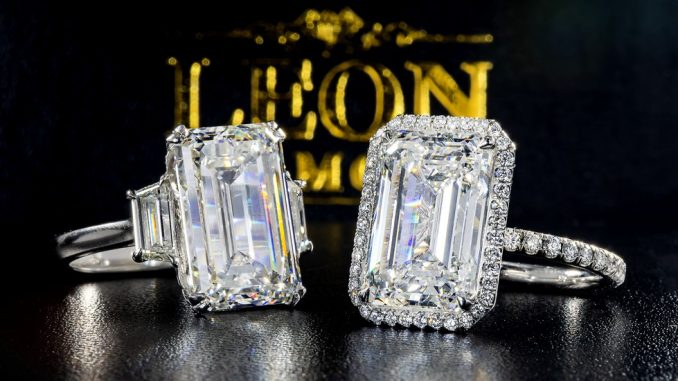
Jewelry often carries more than just monetary value—it holds emotional significance, marks milestones, and reflects personal style. Whether it’s a family heirloom, an engagement ring, or a collection of designer pieces, insuring your jewelry is a practical step toward protecting what matters. Unlike other possessions, jewelry is small, portable, and frequently worn, making it particularly vulnerable to loss, theft, or damage. Understanding how to insure your jewelry properly means navigating a mix of appraisal, policy options, and coverage details that ensure you’re not left exposed when the unexpected happens.
The first step in insuring jewelry is establishing its value. This isn’t just about what you paid for it, but what it would cost to replace it today. Market prices for precious metals and gemstones fluctuate, and craftsmanship can significantly influence worth. A professional appraisal provides a detailed assessment of each piece, including descriptions, photographs, and replacement value. Insurers rely on this documentation to determine coverage limits and premiums, so accuracy is essential. For high-value items, periodic reappraisals may be necessary to keep your policy aligned with current market conditions. For example, a diamond ring purchased ten years ago may now be worth considerably more, and failing to update its valuation could result in underinsurance.
Once you have a clear understanding of your jewelry’s value, the next step is choosing the right type of insurance. Many people assume their homeowners or renters insurance will cover jewelry, but these policies often have strict limits on valuable items. A standard policy might only cover a few thousand dollars in jewelry, which could fall short if you own multiple pieces or a single high-value item. Additionally, coverage under these policies may be limited to specific perils, such as theft or fire, and may exclude loss or damage that occurs outside the home. If you lose a bracelet while traveling or a stone falls out of a ring, you might find yourself without recourse.
To address these limitations, insurers offer scheduled personal property coverage, also known as a rider or endorsement. This add-on to your existing policy allows you to insure individual pieces for their appraised value and typically provides broader protection. Scheduled coverage often includes mysterious disappearance, accidental damage, and loss, regardless of location. That means if you drop a necklace down the drain or misplace a ring at a hotel, you’re still covered. The process involves submitting appraisals and item descriptions to your insurer, who then adds them to your policy with specific coverage amounts. This approach offers peace of mind and ensures that each piece is protected according to its unique value.
For those with extensive collections or particularly valuable items, standalone jewelry insurance may be a better fit. These specialized policies are offered by insurers who focus on high-value personal property and often provide more flexible terms. Standalone coverage can include worldwide protection, zero deductibles, and support for repairs or replacements using original materials and craftsmanship. This is especially important for antique or custom pieces, where authenticity and detail matter. For instance, if a vintage brooch is damaged, a specialized policy may cover restoration by a qualified jeweler rather than a generic replacement.
When selecting a policy, it’s important to understand the claims process and what documentation is required. Insurers typically ask for proof of ownership, appraisals, and photographs, so keeping organized records is essential. In the event of a claim, having this information readily available can expedite the process and improve the likelihood of a favorable outcome. It’s also wise to review the insurer’s reputation for customer service and claims handling. A policy is only as good as the support behind it, and dealing with a responsive, knowledgeable provider can make a stressful situation much easier to navigate.
Security measures can also influence your coverage and premiums. Insurers may offer discounts or enhanced terms if you store your jewelry in a safe, use a home security system, or limit wear to certain occasions. These precautions not only reduce risk but demonstrate responsible ownership. For example, keeping seldom-worn pieces in a bank safety deposit box may lower your premium and provide added protection. Discussing these options with your insurer can help tailor your policy to your lifestyle and risk tolerance.
It’s also important to consider how your jewelry fits into your broader financial and insurance strategy. If you’re planning to pass pieces down to family members, include them in your estate planning and ensure that coverage remains in place during transitions. If you’re buying or selling jewelry, update your policy accordingly to reflect changes in your collection. Insurance should be a dynamic part of your financial toolkit, evolving with your needs and ensuring that your assets are protected at every stage.
Ultimately, insuring your jewelry is about more than replacing lost items—it’s about preserving memories, honoring craftsmanship, and maintaining financial stability. It’s a way to ensure that the pieces you cherish continue to bring joy and meaning, even in the face of adversity. By taking the time to understand your options, document your collection, and work with experienced professionals, you can build a coverage plan that reflects the true value of your jewelry. In doing so, you protect not just your possessions, but the stories they carry.