Reducing interest payments is one of the most effective ways to improve financial health, especially for individuals and businesses managing multiple forms of debt. Interest, while often viewed as a necessary cost of borrowing, can quietly erode cash flow and limit long-term financial flexibility. Whether it’s credit card balances, personal loans, mortgages, or business financing, the cumulative impact of interest payments can be substantial. Understanding how interest works and implementing strategies to minimize it can lead to significant savings and greater control over your financial future.
The first step in reducing interest payments is recognizing how different types of debt are structured. Not all interest is created equal. Credit cards, for example, typically carry high variable interest rates that compound daily, making them one of the most expensive forms of borrowing. In contrast, mortgages and student loans often have lower fixed rates and longer repayment terms. By identifying which debts carry the highest interest rates, you can prioritize repayment in a way that maximizes impact. This approach, sometimes referred to as the avalanche method, focuses on eliminating the most costly debt first, thereby reducing the total interest paid over time.
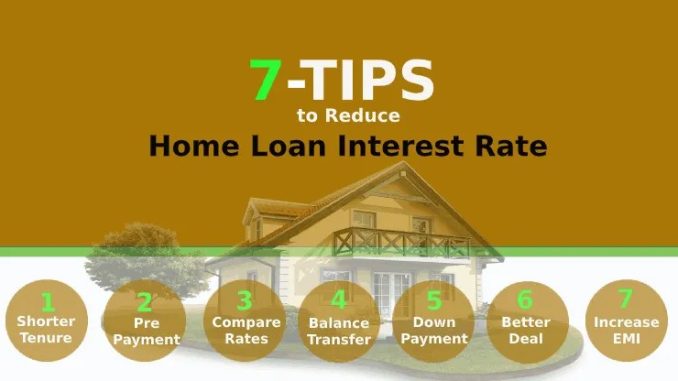
Refinancing is another powerful tool for lowering interest costs. When interest rates drop or your credit profile improves, refinancing existing loans can lead to more favorable terms. For instance, a homeowner with a mortgage at six percent might refinance to a four percent rate, saving thousands over the life of the loan. Similarly, businesses can renegotiate lines of credit or term loans to reflect improved financial standing or market conditions. The key is to evaluate the costs of refinancing—such as fees or penalties—against the potential savings. In many cases, the long-term benefit outweighs the upfront expense, especially when cash flow is tight.
Consolidation can also help reduce interest payments, particularly for individuals juggling multiple high-interest debts. By combining several debts into a single loan with a lower interest rate, you simplify repayment and potentially reduce the overall cost. This strategy is often used with credit card debt, where a personal loan or balance transfer card offers a lower rate and a fixed repayment schedule. However, consolidation requires discipline. Without a change in spending habits, it’s easy to accumulate new debt while still paying off the old, which can negate the benefits of consolidation and lead to deeper financial strain.
Making extra payments is a straightforward yet often overlooked method for reducing interest. By paying more than the minimum—whether monthly or through occasional lump sums—you reduce the principal faster, which in turn lowers the amount of interest accrued. This is particularly effective with amortized loans, such as mortgages or auto loans, where interest is calculated on the remaining balance. Even small additional payments can make a noticeable difference over time. For example, adding $100 to a monthly mortgage payment could shave years off the loan term and save thousands in interest.
Negotiating with lenders is another avenue worth exploring. Many people assume that interest rates are fixed and non-negotiable, but lenders may be willing to adjust terms under certain circumstances. If you’ve demonstrated consistent payment history or if your financial situation has changed, it’s worth initiating a conversation. This is especially true for business borrowers, where relationships with banks and financial institutions can be leveraged to secure better terms. Even a modest reduction in rate can lead to meaningful savings, particularly on large balances or long-term loans.
Improving your credit score is a long-term strategy that can lead to lower interest rates across the board. Lenders use credit scores to assess risk, and a higher score typically translates to more favorable borrowing terms. Paying bills on time, reducing credit utilization, and maintaining a healthy mix of credit accounts all contribute to a stronger score. Over time, this opens the door to lower-rate credit cards, better loan offers, and more negotiating power. For businesses, maintaining strong financial statements and demonstrating consistent revenue growth can have a similar effect, influencing the terms of commercial financing.
Timing also plays a role in managing interest payments. Understanding when interest is calculated and how payments are applied can help you make smarter decisions. For example, making a credit card payment before the statement closing date can reduce the average daily balance, which in turn lowers the interest charged. Similarly, scheduling loan payments to coincide with income cycles ensures that payments are made promptly, avoiding late fees and additional interest. These small adjustments can add up, especially when applied consistently.
Ultimately, reducing interest payments is about being proactive and informed. It requires a willingness to examine your financial landscape, identify opportunities for improvement, and take deliberate action. Whether through refinancing, consolidation, negotiation, or disciplined repayment, the goal is to minimize the cost of borrowing and maximize financial flexibility. Interest may be a part of the financial system, but it doesn’t have to be a burden. With the right strategies, you can take control of your debt, preserve your resources, and build a more sustainable financial future.