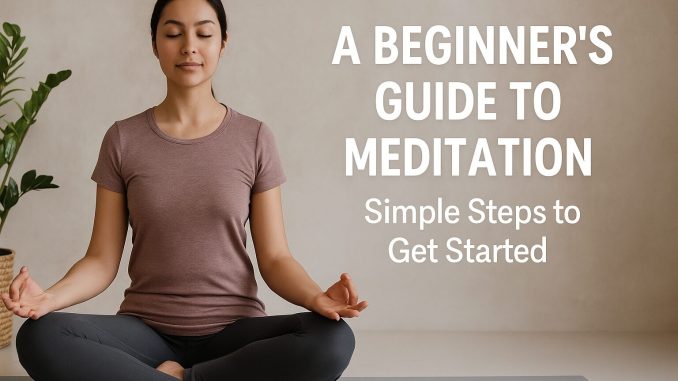
For many people, the idea of meditation is appealing in theory but intimidating in practice. The thought of sitting quietly with closed eyes, trying to “clear the mind,” can feel strange, even awkward, especially in a culture that prizes constant activity and productivity. Yet meditation has been shown time and again to reduce stress, sharpen focus, and improve overall well-being. The challenge is not whether it works, but how to begin without feeling self-conscious or unsure of what to do. The good news is that meditation does not have to be mysterious or ceremonial. It is simply a practice of paying attention, and starting small can make it feel less uncomfortable and more natural.
Part of the awkwardness comes from misconceptions. Many beginners assume meditation requires perfect stillness, a completely blank mind, or sitting cross-legged on the floor for hours. When the reality of a wandering mind sets in, frustration follows, and it can feel like failure. In truth, meditation is not about emptying the mind but noticing thoughts without judgment. The mind will wander—that is what minds do—and the practice is gently bringing it back to the present. Shifting this expectation removes pressure and makes the experience feel more approachable. It is not about getting it “right” but about showing up and observing what happens.
Finding the right setting can also make the process less awkward. Meditation does not require incense, chanting, or special cushions unless those elements are personally appealing. A quiet space where interruptions are unlikely is enough, even if it’s just a corner of the bedroom or a parked car during a lunch break. Choosing a familiar environment helps ease self-consciousness and reinforces the idea that meditation can fit into daily life without requiring a dramatic lifestyle change. This approach frames meditation as accessible, not exotic, and helps remove the feeling that you’re “doing something unusual.”
Starting with short sessions is another way to bypass discomfort. Sitting in silence for 20 minutes on the first attempt can feel overwhelming. Beginning with just two or three minutes is often enough to establish the rhythm of noticing the breath or paying attention to bodily sensations. Gradually extending the time as comfort grows builds confidence and makes meditation feel less like a chore. Much like building physical endurance, the skill develops with regular practice rather than through one intense session.
Guided meditations can also ease the sense of awkwardness. Listening to a calm voice provide instructions—whether through an app, podcast, or video—offers structure and reassurance. This removes the uncertainty of “what do I do now?” and helps keep attention anchored. Many people find that guided sessions are especially helpful at the beginning, until they develop enough familiarity to sit quietly on their own. The presence of a guide, even virtually, creates the feeling of being supported rather than left to figure it out alone.
Another helpful perspective is to reframe meditation as practice rather than performance. Just as nobody expects a beginner to play a musical instrument flawlessly, meditation is not about perfection but about showing up consistently. Some days will feel easier than others, and that variability is part of the process. By letting go of the need to have a profound or transformative experience each time, the awkwardness diminishes. Meditation becomes an ordinary activity, like brushing your teeth or taking a walk, rather than an event that carries heavy expectations.
The physical aspect of meditation can also contribute to unease, especially if sitting cross-legged is uncomfortable. Fortunately, posture is flexible. Sitting upright in a chair, resting hands on your lap, and keeping feet on the floor is perfectly acceptable. The important part is maintaining a position that is both relaxed and alert. Comfort allows the mind to settle without being distracted by aches and stiffness. By choosing a position that feels natural, the experience becomes less about appearance and more about presence.
Acknowledging and even embracing the awkwardness can also be part of the journey. It is normal to feel strange sitting quietly in a world that celebrates constant busyness. Instead of resisting that discomfort, noticing it without judgment is itself a form of mindfulness. Over time, the awkwardness fades as meditation becomes more familiar, and what once felt unusual begins to feel grounding. Many people who stick with the practice eventually come to look forward to the stillness they once found uncomfortable.
As meditation becomes more integrated into daily life, its benefits start to speak for themselves. Improved focus during work, more patience in stressful situations, and greater awareness of emotional responses all stem from the regular practice of sitting quietly and paying attention. These tangible outcomes reinforce the value of meditation and make any initial awkwardness seem insignificant in hindsight. What begins as a tentative experiment often grows into a meaningful and restorative habit.
Ultimately, the key to starting meditation without feeling awkward is to approach it with curiosity and lightness. It does not need to look or feel any particular way, and there is no single right method. Whether it’s a few minutes of deep breathing before a meeting, listening to a guided session at night, or simply pausing to notice your surroundings on a walk, meditation is about bringing attention back to the present moment. When framed this way, the awkwardness fades, replaced by the realization that this practice is less about doing something unusual and more about reconnecting with what has always been there—your own awareness.