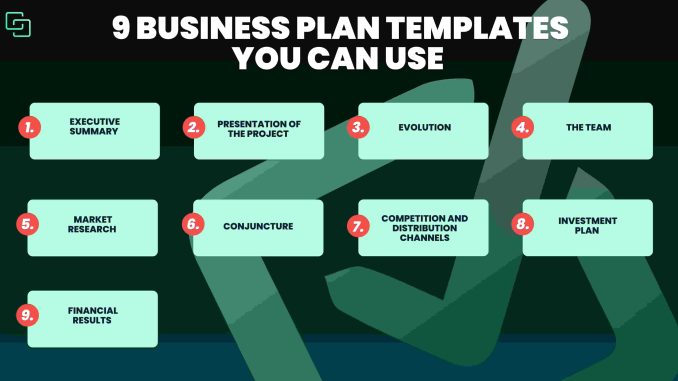
Starting a new business is an exciting journey, but one of the first essential steps to ensure long-term success is creating a business plan. A business plan acts as a roadmap, guiding you through the early stages of your venture and helping you stay on track as your business grows. While business plans can vary in complexity, especially for large corporations, a simple business plan can be just as effective for small businesses, startups, or solo entrepreneurs.
A simple business plan focuses on the key elements that will help you define your goals, strategy, and path to profitability. It’s a concise, easy-to-understand document that outlines your business objectives, the market you’ll serve, and how you plan to achieve success.
Why Do You Need a Business Plan?
A well-crafted business plan serves several important purposes:
-
Clarifying Your Vision: Writing a business plan forces you to think about the direction you want to take and what success looks like for your business.
-
Attracting Investors and Partners: If you’re seeking funding, a business plan is a key tool for attracting investors or securing loans.
-
Setting Goals and Strategies: It helps you define both short-term and long-term goals and outlines the strategies you’ll use to achieve them.
-
Identifying Potential Obstacles: A business plan helps you foresee challenges and plan for them, minimizing the risks that could derail your business.
Now, let’s break down the steps involved in writing a simple business plan.
1. Executive Summary
The executive summary is the first section of your business plan, but it’s often the last part to write. It provides an overview of your business and briefly explains what it is, the market you’ll serve, and your business goals.
Even though it’s the first section, keep your executive summary concise—ideally between one and two pages. This is your chance to capture the reader’s attention, so focus on the highlights that make your business unique and compelling.
Key elements to include:
-
Business Name: The name of your business and what it stands for.
-
Mission Statement: A short, clear statement about the purpose of your business.
-
Business Objectives: What you aim to achieve in the short and long term.
-
Summary of Products/Services: A quick overview of what your business offers.
-
The Market Opportunity: Briefly touch on why there’s a demand for your products or services.
2. Company Description
In this section, you’ll go into more detail about your business, including its legal structure, ownership, and the industry in which it operates. You’ll also explain what makes your business unique and why it’s positioned for success.
Key points to cover:
-
Business Structure: Are you a sole proprietor, partnership, LLC, or corporation?
-
Industry Overview: Briefly describe the industry you’re operating in, including key trends or opportunities.
-
Business Location: Where is your business based? Is it an online business, a physical store, or both?
-
The Problem You’re Solving: Identify the problem or need your business addresses in the market and how your product or service offers a solution.
-
Competitive Advantage: What sets you apart from your competitors? Why are you likely to succeed where others might fail?
3. Market Research
Market research helps you understand your target audience and the competitive landscape. It gives you the insights you need to position your product or service effectively in the market.
In this section, provide information on:
-
Target Market: Who are your ideal customers? Define your target demographic by age, gender, location, interests, and other relevant factors.
-
Market Size and Growth Potential: Include data or estimates about the size of your target market and its growth potential.
-
Industry Trends: Mention any relevant trends, such as technological advances or consumer behavior shifts, that could impact your business.
-
Competitive Analysis: Identify key competitors and explain their strengths and weaknesses. How will your business compete against them, and what makes your offering better or different?
4. Organization and Management
This section outlines the structure of your business, including information about the owners, management team, and any key personnel.
If you’re the sole owner, mention that. If you have a team, provide bios of key team members and their roles within the company. Include any relevant experience or expertise that will help the business succeed.
Consider including:
-
Your Role: Explain your role within the company and your experience.
-
Key Team Members: If applicable, list any partners, managers, or staff members who play important roles in your business.
-
Advisors or Mentors: If you have advisors or mentors, mention them and their expertise.
-
Business Structure Chart: A simple organizational chart can be helpful if you have a team.
5. Products or Services Offered
This is where you’ll describe in detail what your business offers to customers. Whether you’re selling products, services, or a combination of both, you need to explain what makes your offering valuable to your target market.
Provide details on:
-
What You’re Selling: Describe your products or services and their unique features.
-
Pricing Strategy: Explain how you’ve priced your offerings and how it compares to competitors.
-
Production and Distribution: If applicable, discuss how your products are made or sourced and how you’ll deliver them to customers.
-
Intellectual Property: If you have patents, trademarks, or other intellectual property, mention it here.
6. Marketing and Sales Strategy
A solid marketing and sales strategy will help you attract and retain customers. This section outlines how you plan to promote your business and how you’ll convert leads into paying customers.
Key elements to consider:
-
Marketing Channels: Describe the methods you’ll use to reach customers—whether it’s social media, SEO, email marketing, or traditional advertising.
-
Sales Strategy: Outline how you plan to sell your products or services, including your sales process and any sales funnels or tactics you’ll use to nurture leads.
-
Customer Retention: Discuss how you plan to keep customers coming back for more. Will you offer loyalty programs, follow-up services, or personalized offers?
7. Financial Plan
The financial plan is a critical component of your business plan, particularly if you’re seeking funding. It outlines your business’s financial health, projections for future growth, and how you’ll generate revenue.
Key components of a financial plan:
-
Startup Costs: Estimate how much money you need to launch your business and cover initial expenses.
-
Revenue Model: How will you make money? Include pricing, sales forecasts, and expected profits.
-
Break-even Analysis: Determine when your business is likely to become profitable.
-
Funding Needs: If you need outside funding, specify how much money you need and how you’ll use it.
8. Appendices and Supporting Documents
If you have any additional information that’s relevant to your business plan but doesn’t fit into the sections above, you can include it in the appendices. This might include things like:
-
Resumes of key team members
-
Market research data
-
Legal documents (e.g., contracts, licenses)
-
Product photos or mockups
Conclusion
Writing a simple business plan doesn’t have to be an overwhelming process. By focusing on the key elements that define your business, market, and financial strategy, you can create a clear and effective document that guides your business towards success. Whether you’re seeking investors or just want to clarify your own vision, a well-thought-out business plan is an essential tool that can help you navigate the challenges of entrepreneurship and turn your ideas into reality.