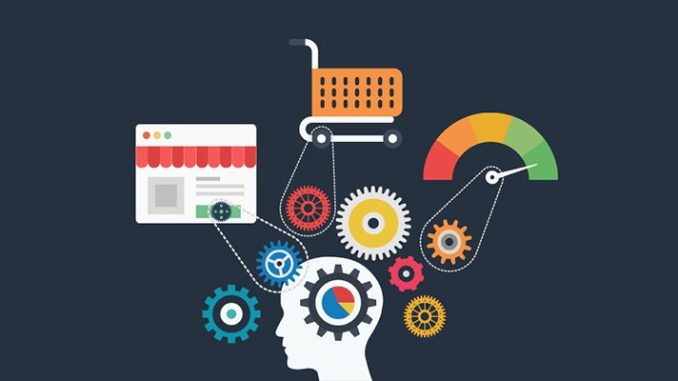
In the dynamic and hyper-competitive landscape of modern business, marketing has evolved far beyond traditional campaigns and broad messaging. Today, success hinges on precision, personalization, and efficiency – qualities that Artificial Intelligence (AI) is uniquely positioned to deliver. The “Benefits of Using AI-Powered Marketing Tools” are not merely incremental improvements; they represent a fundamental paradigm shift, enabling businesses to understand their customers with unprecedented depth, optimize campaigns in real-time, and achieve remarkable returns on investment. For the discerning business leader, approaching marketing with the same data-driven foresight applied to product development, embracing AI is no longer a luxury, but a strategic imperative for unlocking new levels of engagement and growth.
At its core, AI’s power in marketing stems from its ability to process, analyze, and interpret vast quantities of data at speeds and scales impossible for humans. This analytical prowess allows marketers to move beyond assumptions and intuition, grounding their strategies in robust, actionable insights. This capability manifests in several transformative benefits, directly impacting a business’s bottom line and competitive standing.
One of the most significant advantages of AI-powered marketing tools is **hyper-personalization at scale**. In today’s crowded marketplace, consumers expect tailored experiences. AI makes this possible by analyzing immense datasets encompassing customer Browse history, purchase patterns, demographic information, social media activity, and even real-time contextual clues like weather or location (perhaps a customer in Bangkok looking for air purifiers during smog season). With this data, AI engines can generate personalized product recommendations, dynamically alter website content, customize email subject lines and body copy, and even create unique ad variations that resonate deeply with individual users. McKinsey reports that companies leveraging AI personalization see 20-30% higher ROI on campaigns and can enhance marketing spend efficiency by 10-30%. This level of customization fosters stronger customer engagement, increases conversion rates, and builds lasting brand loyalty, making each customer feel uniquely understood.
Beyond personalization, AI dramatically enhances **marketing automation and operational efficiency**. Many marketing tasks are repetitive, time-consuming, and prone to human error – email scheduling, social media posting, ad bidding, and performance reporting. AI tools can automate these processes entirely, freeing up marketing teams to focus on strategy, creativity, and high-level problem-solving. AI-powered email platforms can automatically segment lists, craft compelling subject lines, and even schedule delivery at optimal times based on user behavior patterns. On the paid advertising front, AI continually tests and optimizes ad creatives, bids, and placements in real-time, reallocating budgets to top-performing campaigns without human intervention. This not only leads to significant cost savings by reducing manual labor but also ensures campaigns are constantly optimized for maximum impact and a better return on investment.
AI also offers unparalleled capabilities in **predictive analytics and smarter decision-making**. Marketing isn’t just about what you’re doing now; it’s about anticipating what customers will want next and identifying future trends. AI excels at this. By analyzing historical data and behavioral patterns, AI algorithms can forecast customer interests, predict purchasing behavior, identify churn risks, and even pinpoint the optimal time to reach a prospect. This foresight allows marketers to adjust their strategies proactively rather than reactively. Instead of waiting weeks for campaign performance reports, AI tools provide real-time feedback, enabling marketers to tweak campaigns on the fly for better results. This agile approach, powered by data-driven insights, significantly increases campaign effectiveness and overall marketing ROI. According to studies, businesses using AI-driven personalization can see average sales increases of approximately 20%.
Furthermore, AI is revolutionizing **content creation and optimization**. The demand for fresh, engaging, and relevant content across various platforms is insatiable. Generative AI tools can assist in every stage of the content lifecycle, from ideation and keyword research to drafting blog posts, social media captions, video scripts, and even ad copy. These tools can analyze trending topics, competitor content, and audience interests to suggest unique angles and optimize content for search engine visibility. While human oversight remains crucial to ensure originality, brand voice, and avoid “AI hallucinations,” AI significantly accelerates the content production process, allowing brands to maintain a consistent presence and cater to diverse audience segments with tailored messaging.
Finally, AI empowers **more precise audience segmentation and targeting**. Traditional segmentation often relies on broad demographic data. AI, however, can analyze millions of diverse data points to uncover nuanced micro-segments based on behavior, preferences, emotional triggers, and even intent signals. This allows marketers to create highly customized and targeted campaigns, ensuring messages reach the most relevant audiences at the most opportune moments. By focusing resources on segments with the highest potential for engagement and conversion, AI maximizes efficiency and significantly improves ROI.
Despite these transformative benefits, successful AI adoption in marketing is not without its considerations. Data quality is paramount, as AI models are only as effective as the data they are trained on. Ethical considerations, such as data privacy and algorithmic bias, also demand careful attention and robust governance frameworks. Businesses must also invest in upskilling their marketing teams to effectively leverage AI tools and interpret their insights.
In conclusion, Artificial Intelligence is no longer just enhancing marketing; it is redefining its very core. By enabling hyper-personalization, automating complex tasks, providing predictive insights, streamlining content creation, and refining audience targeting, AI-powered marketing tools empower businesses to achieve unprecedented levels of efficiency, customer engagement, and ultimately, a superior return on their marketing investments. For any organization aiming to thrive in the competitive digital era, embracing these intelligent tools is a strategic imperative, allowing them to transform data into dynamic action and forge deeper, more meaningful connections with their customers across the globe.