The concept of personalized educational roadmaps is rapidly gaining traction as both educators and businesses recognize the need for learning pathways that reflect individual goals, strengths, and aspirations. Traditional education has often relied on standardized curricula designed to serve large groups of students, but this approach is increasingly misaligned with the demands of a dynamic workforce and the diverse needs of learners. The future of education lies in creating tailored roadmaps that guide individuals through their learning journeys in ways that are flexible, adaptive, and deeply relevant to their personal and professional lives.
Personalized educational roadmaps are built on the idea that no two learners are alike. Each person brings unique experiences, interests, and ambitions to the table, and their learning should reflect that individuality. By leveraging data, technology, and human insight, these roadmaps can identify the skills a learner needs, the pace at which they should progress, and the resources that will best support their growth. This level of customization ensures that education is not just about meeting minimum standards but about unlocking potential and preparing individuals for meaningful contributions in their chosen fields.
Technology will play a central role in shaping the future of personalized learning. Artificial intelligence and advanced analytics are already being used to track progress, recommend content, and predict areas where learners may struggle. As these tools become more sophisticated, they will enable roadmaps that adjust in real time, offering learners guidance that evolves with their performance and goals. This dynamic approach mirrors the way businesses operate, where strategies must adapt to changing markets and conditions. Personalized educational roadmaps will provide the same agility, ensuring that learners remain aligned with both their personal aspirations and the broader demands of the economy.
The integration of personalized roadmaps into professional development is particularly significant. Businesses are increasingly aware that their success depends on a workforce that is not only skilled but also adaptable. By offering employees tailored learning pathways, organizations can ensure that training is directly relevant to their roles and career trajectories. This approach reduces wasted time and resources while increasing engagement and retention. Employees who see a clear connection between their learning and their future opportunities are more motivated to invest in their development, creating a virtuous cycle of growth and productivity.
Another important dimension of personalized educational roadmaps is their ability to support lifelong learning. In the past, education was often viewed as something that ended with graduation, but today’s world demands continuous skill development. Roadmaps can extend beyond formal schooling, guiding individuals through ongoing learning experiences that evolve with their careers. This lifelong perspective ensures that workers remain competitive in industries where skills can quickly become outdated. Businesses benefit from this adaptability, as employees who embrace continuous learning are better equipped to innovate and respond to change.
Personalized roadmaps also have the potential to address issues of equity and inclusion. Standardized education often fails to account for the diverse backgrounds and circumstances of learners, leaving some at a disadvantage. Tailored pathways can provide support that meets individuals where they are, offering resources and strategies that reflect their unique challenges. This inclusivity ensures that all learners have the opportunity to succeed, regardless of their starting point. For businesses, this translates into a more diverse and resilient workforce, capable of bringing varied perspectives to problem-solving and innovation.
The role of educators in this future is evolving as well. Teachers and trainers are no longer just transmitters of knowledge; they are becoming facilitators and designers of learning experiences. By working alongside technology, educators can help shape roadmaps that reflect not only data but also human insight and empathy. This partnership ensures that personalized learning remains holistic, balancing technical precision with the human touch that inspires and motivates learners. Businesses that invest in educators as learning architects will see stronger outcomes, as employees benefit from guidance that is both personalized and deeply supportive.
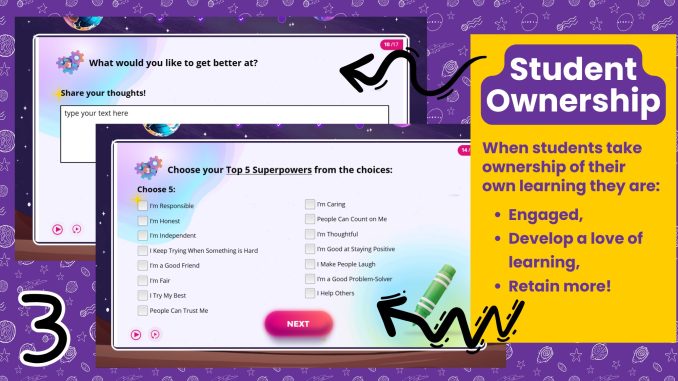
Reflection and self-assessment will be integral to personalized roadmaps. Learners must be active participants in their journeys, regularly evaluating their progress and adjusting their goals. This process fosters accountability and self-awareness, qualities that are essential in professional contexts. Businesses can encourage this mindset by embedding reflection into training programs, helping employees connect their learning to broader organizational objectives. Personalized roadmaps that incorporate reflection create learners who are not only skilled but also thoughtful and intentional in their growth.
Collaboration will also be a key feature of future roadmaps. While personalization emphasizes individual pathways, learning is often most effective when it involves interaction with others. Roadmaps can incorporate opportunities for teamwork, peer feedback, and shared projects, ensuring that learners develop both technical skills and interpersonal competencies. Businesses thrive on collaboration, and personalized roadmaps that balance individual growth with collective learning will prepare employees to contribute effectively in team-based environments.
The sustainability of personalized educational roadmaps will depend on strong partnerships between education systems, businesses, and technology providers. Schools and universities must embrace flexibility, businesses must invest in employee development, and technology companies must continue to innovate tools that make personalization possible. This ecosystem will ensure that roadmaps are not only effective but also scalable, reaching learners across diverse contexts and industries. The future of education will be defined by these collaborations, creating systems that are both individualized and universally accessible.
Ultimately, personalized educational roadmaps represent a shift in how we think about learning. They move education away from rigid structures and toward dynamic, adaptive pathways that reflect the realities of modern life. For learners, this means greater relevance, engagement, and empowerment. For businesses, it means a workforce that is skilled, motivated, and prepared to meet the challenges of an ever-changing economy. The future of personalized roadmaps is not just about education; it is about building systems that align human potential with the needs of society, creating opportunities for growth that are both personal and collective.
As this vision unfolds, the promise of personalized educational roadmaps is clear. They will redefine the relationship between learners and knowledge, creating journeys that are as unique as the individuals who embark on them. By embracing personalization, education and business alike can unlock new levels of innovation, resilience, and success. The future of learning is not one-size-fits-all; it is a carefully designed roadmap that guides each person toward their fullest potential.