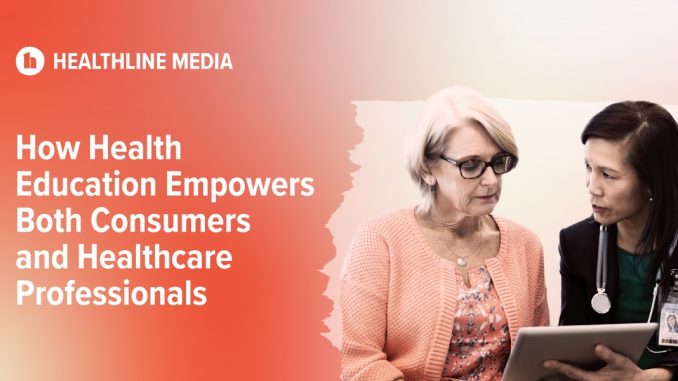
Health educators play a unique role in shaping the way individuals and communities approach well-being. Their insights go beyond simply sharing information; they empower people to make choices that are informed, sustainable, and aligned with their personal values. In a world where health advice can often feel overwhelming or contradictory, the perspective of a health educator provides clarity and guidance, helping individuals navigate the complexities of modern living with confidence.
At the heart of their work is the belief that knowledge is power. When people understand how lifestyle decisions affect their health, they are better equipped to take ownership of those choices. This empowerment is not about prescribing rigid rules but about offering tools and perspectives that allow individuals to adapt strategies to their own circumstances. For professionals balancing demanding careers, this approach is particularly valuable, as it emphasizes practicality and sustainability rather than perfection.
Health educators recognize that behavior change is rarely straightforward. People often know what they should do but struggle with consistency due to stress, time constraints, or competing priorities. Insights from health educators focus on breaking down barriers and creating realistic pathways to success. They encourage incremental changes that build momentum, reinforcing the idea that progress is more important than immediate transformation. This perspective helps individuals avoid discouragement and fosters resilience in the face of setbacks.
Communication is a cornerstone of effective health education. The ability to translate complex scientific concepts into accessible, relatable language ensures that information resonates with diverse audiences. Health educators often use stories, analogies, and practical examples to make abstract ideas tangible. This skill is particularly important in business contexts, where employees may have varying levels of health literacy. Clear communication fosters understanding and engagement, making it easier for people to apply insights in their daily lives.
Another key insight is the importance of context. Health educators understand that choices are influenced by cultural, social, and economic factors. What works for one person may not be feasible for another, and acknowledging these differences is essential for creating inclusive strategies. By tailoring recommendations to individual needs and circumstances, health educators ensure that guidance is both relevant and achievable. This adaptability strengthens trust and encourages long-term commitment to healthier behaviors.
Empowerment also comes from fostering self-efficacy—the belief in one’s ability to succeed. Health educators emphasize that individuals have the capacity to make meaningful changes, even when challenges arise. By highlighting strengths, celebrating small victories, and reinforcing confidence, they help people build the mindset needed to sustain progress. In professional environments, this translates into employees who feel capable of managing stress, balancing responsibilities, and maintaining energy, all of which contribute to organizational success.
The role of health educators extends beyond individuals to communities and workplaces. Their insights help shape policies, programs, and environments that support healthier choices. For businesses, this might mean designing wellness initiatives that encourage movement, provide access to nutritious food, or promote mental health resources. By influencing systems as well as individuals, health educators create conditions where well-being becomes a shared value rather than a personal struggle.
Technology has expanded the reach of health education, offering new platforms for engagement and empowerment. Digital tools, apps, and online resources allow health educators to connect with audiences more effectively, providing personalized guidance and real-time feedback. These innovations make it easier for individuals to track progress, access support, and stay motivated. For organizations, integrating technology into wellness programs enhances accessibility and demonstrates a commitment to modern, forward-thinking approaches to health.
One of the most valuable insights health educators provide is the recognition that health is holistic. Physical, mental, and emotional well-being are interconnected, and choices in one area often influence outcomes in another. Encouraging balance across these dimensions ensures that individuals do not neglect critical aspects of their health. For professionals, this means understanding that productivity is not just about working harder but about maintaining the energy, focus, and resilience that come from comprehensive well-being.
Health educators also emphasize the importance of prevention. Rather than waiting for problems to arise, they encourage proactive choices that reduce risk and build resilience. This preventive mindset is particularly relevant in business, where the costs of illness and burnout can be significant. By empowering employees to take preventive measures, organizations can reduce healthcare expenses, improve performance, and foster a culture of sustainability.
The economic implications of health education are substantial. Empowered choices lead to healthier individuals, which in turn reduces absenteeism, enhances productivity, and strengthens organizational resilience. For businesses, investing in health education is not only an ethical decision but also a strategic one. It creates value by aligning employee well-being with organizational goals, reinforcing the idea that health is a driver of success rather than a separate concern.
Ultimately, the insights of health educators remind us that empowerment is about more than information—it is about creating the conditions for meaningful change. By fostering awareness, confidence, and adaptability, they help individuals and organizations build healthier futures. Their work bridges the gap between knowledge and action, ensuring that choices are not only informed but also sustainable and aligned with personal and professional aspirations.
The journey toward better health is deeply personal, yet it is also shaped by the environments and systems in which we live and work. Health educators provide the guidance needed to navigate this journey, offering insights that empower choices and foster resilience. For professionals and organizations alike, embracing these insights means recognizing that health is not a destination but a continuous process of growth, balance, and empowerment.