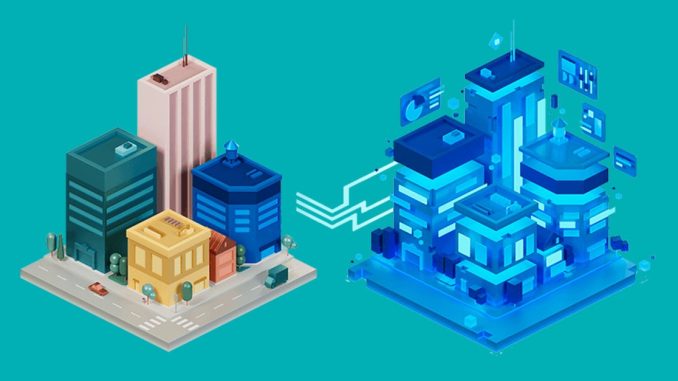
Digital twins have emerged as one of the most transformative technologies in modern industry, reshaping how businesses design, operate, and maintain their assets. At its essence, a digital twin is a virtual representation of a physical object, system, or process, continuously updated with real-time data. This dynamic model allows organizations to simulate, analyze, and optimize performance in ways that were previously unimaginable, bridging the gap between the physical and digital worlds.
The power of digital twins lies in their ability to provide visibility and insight. Traditional monitoring systems can track performance metrics, but they often lack the context needed to understand how those metrics interact. A digital twin, by contrast, offers a holistic view, integrating data from sensors, machines, and processes into a single, coherent model. This enables businesses to see not just what is happening, but why it is happening, and what might happen next. The predictive capabilities of digital twins are particularly valuable in industries where downtime or inefficiency carries significant costs.
Manufacturing has been one of the earliest adopters of digital twin technology. Factories equipped with digital twins can simulate production lines, test new configurations, and identify bottlenecks before they occur. This reduces waste, improves efficiency, and accelerates innovation. By experimenting in the digital realm, companies can avoid costly trial-and-error in the physical world. The result is a more agile and resilient manufacturing process, capable of adapting quickly to changing market demands.
Energy and utilities have also embraced digital twins to manage complex infrastructure. Power plants, grids, and renewable energy systems are highly interconnected, and disruptions can have wide-reaching consequences. Digital twins allow operators to model scenarios such as equipment failures, demand surges, or weather events, enabling them to prepare and respond effectively. In renewable energy, digital twins of wind turbines or solar farms help optimize output by predicting maintenance needs and adjusting operations based on environmental conditions. This not only improves efficiency but also supports sustainability goals.
In the realm of transportation, digital twins are revolutionizing how vehicles and infrastructure are managed. Automotive companies use digital twins to design smarter cars, testing performance under countless conditions without ever leaving the lab. Airlines employ them to monitor aircraft health, predicting maintenance needs and reducing delays. Cities are beginning to adopt digital twins of entire transportation networks, simulating traffic flows and public transit systems to improve mobility and reduce congestion. These applications highlight how digital twins extend beyond individual assets to encompass entire ecosystems.
Healthcare is another sector where digital twins are showing immense promise. By creating digital replicas of medical devices, hospital systems, or even human organs, healthcare providers can test treatments, optimize workflows, and personalize patient care. A digital twin of a patient’s heart, for instance, can help doctors simulate the effects of different therapies before applying them in reality. This level of precision not only improves outcomes but also reduces risks, demonstrating how digital twins can enhance both efficiency and safety in critical industries.
The integration of digital twins into industry is closely tied to the rise of the Internet of Things and advanced analytics. Sensors embedded in machines and systems feed continuous streams of data into digital models, while artificial intelligence interprets that data to generate insights. This combination of real-time monitoring and predictive analytics creates a powerful feedback loop, where digital twins evolve alongside their physical counterparts. The more data they receive, the more accurate and valuable they become, reinforcing their role as indispensable tools for decision-making.
One of the most compelling aspects of digital twins is their ability to support sustainability. Industries are under increasing pressure to reduce waste, conserve energy, and minimize environmental impact. Digital twins enable organizations to simulate the effects of different strategies, from adjusting production schedules to redesigning supply chains. By identifying the most efficient and sustainable approaches, businesses can meet regulatory requirements while also enhancing their reputation as responsible corporate citizens. In this way, digital twins contribute not only to profitability but also to long-term resilience.
The adoption of digital twins also fosters collaboration across organizations. Engineers, operators, and managers can all interact with the same digital model, sharing insights and aligning strategies. This transparency reduces silos and improves coordination, ensuring that decisions are based on a shared understanding of reality. In industries where complexity and scale make communication challenging, digital twins serve as a common language, bridging gaps between technical and business perspectives.
Despite their many advantages, digital twins are not without challenges. Creating accurate models requires significant investment in sensors, data infrastructure, and analytics capabilities. Ensuring data quality and security is critical, as inaccurate or compromised information can undermine the value of the twin. Moreover, organizations must cultivate the skills needed to interpret and act on the insights generated. These challenges highlight that digital twins are not a plug-and-play solution but a strategic initiative requiring commitment and expertise.
Looking ahead, the potential of digital twins will only grow as technology advances. Integration with artificial intelligence, machine learning, and edge computing will make them even more powerful, enabling faster simulations and more precise predictions. As industries continue to digitize, digital twins will become central to innovation, efficiency, and resilience. They will not only help businesses optimize current operations but also open new possibilities for designing future systems and products.
Ultimately, the power of digital twins in industry lies in their ability to transform data into actionable intelligence. By creating living, breathing models of physical systems, they allow organizations to anticipate problems, experiment with solutions, and make informed decisions. This capability is reshaping industries across the board, from manufacturing and energy to healthcare and transportation. As businesses navigate an increasingly complex and uncertain world, digital twins provide the clarity and confidence needed to thrive. They represent not just a technological advancement, but a fundamental shift in how industries understand and manage reality.