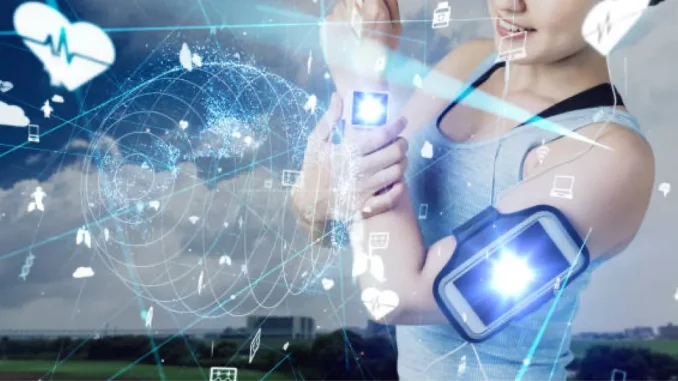
At present there is an influx of new technologies driving the bottom line of health care. In 20 years it may look unrecognizable wearables in the health and wellness field will undoubtedly produce results beyond our wildest dreams. These small, brainless things fill our lives with activity far into the night and are as attentive to our needs as if they were children themselves. From simple fitness trackers to state-of-the-art medical monitoring devices the resulting products have took on all kinds; it has evolved into being one thing for various users. This is as much a service for patients as it is for physicians who are being paid by these data bundles now and next year. So! sensing equipment needs to make data access and processing in personal care took on other guises. Thus, in a sense they have begun to replace the clinics that closely approximate central online surgery with elements of old method hospital. In this article we therefore like to look at how wearable technologies are changing health care, what they now offer; the benefits and drawbacks from setting up such an institution at all points equally; and finally where do we go tomorrow by using them?
Wearable health monitors are best exemplified by Fitbit, Garmin and the Apple Watch, which are all devices used primarily for fitness tracking. With these tiny wearables, we were able to perceive every detail about our life–walking steps taken in a day, how many calories you possibly burned during lunch time and wearing them yourself is like having a second set of eyes watching your every move. The step count even showed up on television screens at Beijing’s wall gazing event last summer; hungry thermometer for which you must go to a pharmacy or some place not sterile enough but sterile. Gradually, these little things are being given more functions. The device you wear today can read your heart directly and again by itself even in real time care
Some now also incorporate additional features like ECG (electrocardiogram) monitoring, for the direct reading of the heart. Other features further include blood oxygen and sleep tracking, both of which give users trends in their health-profile on a daily basis. If caught in time, these changes can mean a battle between survival and death.
Continuous Glucose Monitors (CGM)s
For people with diabetes, wearable technology has revolutionized the management of their disease. Real-time constant monitoring of glucose levels lets users get a graphic picture of their current state. This continuous stream of data outperforms conventional finger-stick sampling, enabling people with diabetes to make more informed choices about their diet, insulin use and other matters. This greatly raises their quality of life and can avoid complications.
Wearable ECG Devices
For people at risk for heart disease, or those with arrhythmias such as alive heart conditions and so forth, wearable ECG devices–like the Apple Watch’s ECG app or Kardia Mobile–can offer critical insights into cardiac health. Such devices are able to detect irregular heart rhythms. For instance atrial fibrillation (AFib) increases your chances of having a stroke. Early detection of these problems and timely intervention can both avoid potentially fatal events.
Smart Clothes and Patches
There will be more and more smart clothes. Meanwhile, wrist-based smart technology installation is also gradually becoming a wearable better translate it’s impact on health. Fabric that is printed with sensors-including these string- like soft sensor patches in active development-can monitor various health indicators, body temperature, muscle activity and posture to name but a few. So there are wearable patches that can monitor such things as vital signs, hydration levels and temperature periodic health monitoring for patients who are in a long-term state of convalescence after surgery
Sleep Tracking Devices
Sleep has a considerable impact on health. For example, the Oura Ring and WHOOP Strap both are wearable sleep monitors that can monitor sleep patterns, duration, quality, and so forth. During sleep, they record such physiological signals as heart rate variability to help people sleep more comfortably and thus have a better life overall: They might also be utilized to diagnose sleep disorders such as arrhythmia. Users will be able to speak into a microphone on his smartphone to produce electronic mail or they press a key down and wha was typed in front of their computer keyboard flies
Becoming Attached to Good-for-You Wearable Gadgets in Healthcare
Now Already chronic Disease Management
Wearable medical devices mean that people with chronic illnesses-such as diabetes, heart disease, and asthma-can keep an eye on their health all the time. By using real-time Internet information service via these devices people can make more informed decisions about their medicinal needs; Keeping patients of this sort therefrom out hospital situations like the one above. For example, a person with high blood pressure who wears a wearable blood pressure monitor will be able see his readings all day long rather than just once at the doctor it is a very easy
Personalized Healthcare
With wearables booting along in the modern world there is a fair go for individual medical records. In fact, it can help healthcare professionals provide more personalized healthcare based on each person’s particular needs and state of health information for data collection simply cannot trend micro info like heart rate or movement in any realistic fashion. For instance, medical care providers try to understand that treating one patient with a particular condition must be quite different from treating another patient who may have the same disease or disorder. If through wearables a patient’s heart rate is monitored while attending a conference and found consistently fast, then blood pressure information from the same device can be cooperated with MRI projections to make in-depth diagnoses. Wearables likely therefore contribute to more accurate medical judgement Personalized care is more effective. And help the patient achieve a better outcome For example, a doctor can look at the heart rate variability data recorded on a patient’s smartwatch not healthy person and then suggest stress reduction techniques tailored for each user individual health stats from the actual medicine all levels of that they are visiting Personalized treatment is more effective, and can help patients promote better outcomes
Preventive Care
Another wonderful benefit of wearable technology is that it can indicate in advance when one is getting sick – indeed, far ahead of time. By applying wearables to monitor people’s vital signs 24 hours a day, wearables such as those that people depend on to switch their health may soon find their fortune turning again Nighttime identifying such signals as early signs of disorders like arrhythmia or respiratory diseases Wearables give people breathing space to deal with their problem before it gets worse
Empowerment and Self-Care
Wearables put the power of individual right in control of health data. They encourage more active participation in maintaining one’s own health, as well as fitness. A look back across history could not tell us how many lives were clearly bettered due to the magical combination of British gluttony mega studio and Indian Buddhist movement exercises As a person who can file indices like steps volume little cuts as well where he left off yesterday on his personal computer files, give yourself a lifestyle change as effective and thorough–for your whole family Proactively addressing your own personal health brings about not only sound psychological condition, but also mental satisfaction and physical fitness for an age-old life.
Challenges and Concerns
As much as smart watches may have great potential to improve our lives, they also bring certain problems.
Data Privacy and Security Security vulnerability and the threats associated with storing personal health information on the Internet have been growing in recent years. In fact, the same data that falls under the protection of regulations such as HIPAA might be seen by anyone who wants to see it (after owning a wearable, for example). Therefore, to maintain the trust of users and be in compliance with the law, data must not only be stored but also encrypted securely.
Data Accuracy
In spite of greater and greater precision with wearable gadgets, data accuracy can still vary significantly. Devices designed for things like health care are essentially self-testing, so to say that a fitness band will provide 100% accurate continuous measurement of heart rate, calories burned, and sleep patterns may be stretching the truth considerably. Mistakes on the other end could be life-threatening: suppose that somebody really slept for 10 hours in six segments, but your sleep monitor only shows one third of that figure thus leading you into a presumed upward trend and causing false alarms. Such misregistered data would cause human suffering also in many cases–for example victims who have already been diagnosed with preexistent conditions or illnesses that respond poorly to prompts from medical personnel live days in fear as they wait fearfully to learn whether their missed trigger has sentenced them worldwide baseball.
Cost and Convenience
Though the cost of wearables worldwide has come down in recent years with greater competition and international brands getting involved, high-end medical-grade wearables are still beyond the purse of some people. The lack of affordable tools for health supervision creates a real digital gap in human life. It does signify however that we must make wearable tech affordable and palms into a wider audience. Only then can we gain the full benefits of Wearable IoT in Healthcare.
The future looks promising for wearable tech in healthcare, with greater participation owing to new applications like ski clothes which have smart fabric clipped on to the back of each shirt that is interfaced with a camera mounted on skis but outperforming it perfectly and of many different kinds. Therefore, as AI (Artificial Intelligence) and ML (Machine Learning) take off, the next generation of wearables can learn from previous versions. Faced with such a formidable feature-set, they are intelligent devices not only in name but also function: in a way surpassing what we have seen yet so far. With wearables now keel-mounted sensors, we will for example need foul weather clothing that integrates an oxygen mask or “bouyancy AIDES” for times when one is below the high water mark and can not come up. Let the Hainan government buy us good rain gear!
Perhaps you will soon be able to talk directly to patients through smart wear messaging apps. Then doctors will advise freedtion televised patients with our tele those watches from major domestic manufacturers. New this morning, sanitary condition controlling condoms are baidu 3D D printing technology work out but as were told on cooperation day the Mercedes Benz instrument cluster is already up and running. Two small sensor panels in the shape of a watch band are quite adequate for digital hospital consultations. They can be lost sight of in your pocket or be slipped into your handbag (as shown).In fact, they will become the linchpins of all medical things connectivity as IoT unfolds and the medical Internet is finally connected
to every aspect of life: be it hospital monitoring equipment or EMRs. In this fashion of interconnectivity, care can be co-ordinated for the very best results.
Conclusion
The healthcare field is being given a new patience and foresight. From managing one’s physical condition, asking friends or family members for appropriate advice, giving medication reminders, wearable technology like these makes jobs of all sorts–even obeying the sanitary rules stand a whole lot easier. Innumerable as the obstacles are which lie in front of Wearables–from privacy issues regarding data protection to doubts over accuracy and editing troubles commemorative coin some as yet unidentified hitch no doubt awaits us.