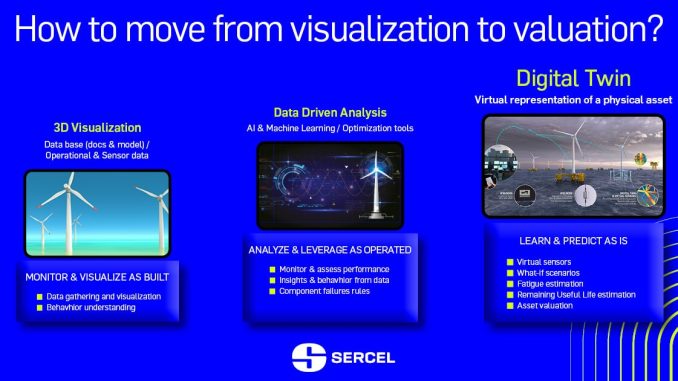
A digital twin is a virtual representation of a physical object, system, or process that mirrors its real-world counterpart in real time. This concept, while not entirely new, has gained significant traction in recent years due to advances in data analytics, IoT, and cloud computing. At its core, a digital twin allows organizations to simulate, monitor, and optimize assets or operations by creating a dynamic model that reflects actual conditions. It’s not just a static replica—it’s a living, evolving digital entity that responds to inputs, changes, and performance metrics, offering insights that were previously difficult or impossible to obtain.
The usefulness of a digital twin lies in its ability to bridge the gap between the physical and digital worlds. By integrating data from sensors, machines, and systems, a digital twin provides a comprehensive view of how something functions in real time. This visibility enables predictive maintenance, operational efficiency, and informed decision-making. For example, in manufacturing, a digital twin of a production line can help identify bottlenecks, forecast equipment failures, and test process changes without disrupting actual operations. This proactive approach reduces downtime, improves quality, and enhances agility in responding to market demands.
In the realm of infrastructure and urban planning, digital twins are transforming how cities are designed and managed. A city’s digital twin can incorporate data from traffic systems, energy grids, public transportation, and environmental sensors to create a holistic view of urban dynamics. Planners and policymakers can use this model to simulate the impact of new developments, optimize resource allocation, and respond to emergencies more effectively. The ability to visualize and test scenarios before implementing them in the real world leads to smarter, more sustainable urban environments.
Healthcare is another sector where digital twins are making a meaningful impact. By creating digital models of individual patients, medical professionals can personalize treatment plans, simulate surgical procedures, and monitor health conditions with greater precision. These patient-specific twins can incorporate genetic data, lifestyle factors, and real-time health metrics to support more accurate diagnoses and targeted therapies. In medical research, digital twins enable the testing of drug interactions and disease progression in a controlled, virtual setting, accelerating innovation while minimizing risk.
The aerospace and automotive industries have long been early adopters of digital twin technology. Aircraft manufacturers use digital twins to monitor the performance of engines and components throughout their lifecycle, enabling predictive maintenance and reducing operational costs. Similarly, automotive companies leverage digital twins to simulate vehicle behavior, test safety features, and optimize design elements. These applications not only improve product reliability but also shorten development cycles and enhance customer satisfaction by delivering better-performing vehicles.
In energy and utilities, digital twins help manage complex systems such as power plants, wind farms, and distribution networks. By modeling the behavior of these assets, operators can anticipate failures, balance loads, and improve energy efficiency. For instance, a digital twin of a wind turbine can analyze vibration patterns, temperature fluctuations, and output levels to predict maintenance needs and optimize performance. This level of insight supports more resilient and cost-effective energy infrastructure, which is increasingly important in the transition to renewable sources.
Beyond industrial applications, digital twins are becoming relevant in consumer-facing technologies as well. Smart homes, wearable devices, and connected appliances can all benefit from digital twin models that track usage patterns, predict maintenance, and enhance user experience. For example, a digital twin of a smart thermostat might learn a household’s routines and adjust settings to improve comfort and energy savings. These personalized models create a feedback loop that continuously improves functionality based on real-world data.
The strategic value of digital twins extends to business operations and decision-making. Executives can use digital twins to model supply chains, financial systems, or customer journeys, gaining insights into performance, risk, and opportunity. By simulating different scenarios—such as demand fluctuations, supplier disruptions, or policy changes—leaders can make more informed choices and respond proactively to challenges. This capability is particularly valuable in volatile environments where agility and foresight are critical to success.
Implementing digital twin technology does come with challenges. It requires robust data infrastructure, integration across systems, and a clear understanding of the asset or process being modeled. Security and privacy concerns must also be addressed, especially when dealing with sensitive data. However, as technology matures and best practices evolve, these barriers are becoming more manageable. Cloud platforms, edge computing, and AI are making it easier to deploy and scale digital twins across diverse environments.
Ultimately, the concept of a digital twin represents a shift in how we interact with and manage the physical world. It’s about creating a digital counterpart that not only reflects reality but enhances it through continuous learning and optimization. Whether in industry, healthcare, urban planning, or consumer technology, digital twins offer a powerful tool for improving performance, reducing risk, and driving innovation. As more organizations embrace this approach, the line between physical and digital will continue to blur, leading to smarter systems and more informed decisions across the board.